The Foundations of Sustainable Gardening
At its core, sustainable gardening revolves around principles that prioritize ecological balance, resource efficiency, and long-term viability. These foundational elements guide every decision, from selecting plant species to managing garden waste. Embracing these principles ensures that gardening activities contribute positively to the environment rather than depleting it.
A critical aspect of building a sustainable garden involves understanding the local ecosystem. This includes recognizing native flora and fauna, comprehending regional weather patterns, and adapting practices accordingly. Such knowledge helps minimize reliance on external inputs like artificial fertilizers and pesticides, fostering self-sufficiency.
- Soil Health: Healthy soil is the bedrock of any thriving garden. Incorporating organic matter, such as compost, improves soil structure, nutrient availability, and microbial activity. Avoiding chemical additives prevents degradation over time.
- Biodiversity Promotion: Planting a diverse array of species attracts pollinators and beneficial insects, enhancing pest control naturally. Diversity reduces the risk of disease outbreaks and strengthens the garden’s overall stability.
Water Conservation Strategies for Gardeners
Efficient water use is essential in sustainable gardening, especially given increasing concerns about drought and scarcity. Implementing strategies that maximize water retention and minimize wastage ensures gardens flourish without excessive consumption. Thoughtful design plays a pivotal role in achieving this goal.
One effective method is installing drip irrigation systems, which deliver moisture directly to plant roots, reducing evaporation losses. Mulching also aids in retaining soil moisture, suppressing weeds, and regulating temperature fluctuations. Collecting and reusing rainwater further decreases dependency on municipal supplies.
Leveraging Natural Rainfall Patterns
Understanding rainfall distribution allows gardeners to plan layouts that optimize water absorption. Techniques such as contour planting and swales direct runoff toward root zones, replenishing groundwater reserves. These practices align with natural hydrological cycles, ensuring efficient utilization of available precipitation.
Data from agricultural studies indicate that properly implemented rainwater harvesting systems can reduce household water demand by up to 40%. Integrating permeable surfaces into garden designs facilitates infiltration, mitigating surface runoff issues caused by impervious materials.
Nutrient Cycling Through Organic Matter
Maintaining fertility in a sustainable garden relies heavily on recycling nutrients through organic processes. Rather than relying solely on commercial products, gardeners can harness the power of decomposition to enrich soils naturally. This closed-loop system minimizes waste generation while supporting continuous growth.
Composting kitchen scraps, yard trimmings, and other biodegradable materials creates rich amendments that enhance soil quality. Vermiculture—the cultivation of worms—accelerates decomposition rates, producing high-quality castings packed with essential minerals. Utilizing cover crops during fallow periods adds additional layers of protection and nourishment.
Minimizing Chemical Inputs Through Integrated Pest Management
Sustainable gardening advocates for minimizing chemical interventions in favor of biological controls and cultural practices that deter pests organically. While conventional approaches often rely on synthetic sprays, these solutions pose risks to non-target organisms and may lead to resistance development over time.
Encouraging predator populations—such as ladybugs for aphid control or birds for insect regulation—creates natural checks-and-balances within the garden ecosystem. Physical barriers like row covers prevent infestations before they begin, offering proactive defense mechanisms. Regular monitoring enables early detection of potential threats, allowing timely responses without resorting to harsh treatments.
Plant Selection for Disease Resistance
Choosing cultivars bred specifically for disease resistance reduces vulnerability to common ailments, lowering intervention requirements. Native varieties adapted to local conditions typically require fewer inputs due to inherent hardiness traits developed through evolutionary adaptation.
Research suggests that incorporating resistant strains can cut pesticide applications by nearly half compared to standard offerings. Cross-referencing seed catalogs with region-specific recommendations increases likelihood of successful outcomes when establishing new beds or replacing existing ones.
Eco-Friendly Tools and Equipment
Selecting appropriate tools contributes significantly towards maintaining a low-impact garden operation. Prioritizing manual implements crafted from durable, recyclable materials reduces carbon emissions associated with motorized alternatives. Hand tools offer precision while preserving physical well-being through mindful engagement with tasks.
Solar-powered devices provide renewable energy sources for lighting pathways or operating small machinery. Battery-operated gadgets eliminate fuel dependencies entirely, aligning perfectly with broader sustainability objectives. Investing in multi-functional equipment maximizes utility across various maintenance routines.
Creating Wildlife Habitats Within Gardens
Fostering habitats for wildlife transforms ordinary plots into thriving microecosystems teeming with life. Providing shelter, food sources, and clean water invites creatures ranging from butterflies to hedgehogs, creating symbiotic relationships beneficial to both parties involved. These interactions bolster pollination efforts crucial for fruit production.
Incorporating features such as bird feeders, bee hotels, and shallow ponds caters to different species’ needs. Leaving portions of land undisturbed supports ground-nesting birds and small mammals seeking refuge from predators. Strategic placement of structures mimics natural environments effectively.
Community Engagement in Local Sustainability Initiatives
Gardens serve as powerful platforms for collective action aimed at advancing communal goals related to environmental stewardship. Participating in neighborhood projects promotes skill-sharing opportunities among residents passionate about ecological restoration. Collaborative endeavors amplify individual contributions exponentially.
Sharing surplus harvests via donation programs addresses food insecurity challenges faced by many communities. Educational workshops conducted locally empower participants with practical expertise applicable year-round. Establishing school gardens instills lifelong appreciation for green living values in younger generations.
Promoting Permaculture Principles Across All Scales
Permaculture offers comprehensive frameworks guiding sustainable agriculture at personal, urban, and even global levels. Its ethics emphasize care for earth, people, and fair sharing—principles reflected in every facet of implementation. Adaptable models cater to varied geographic contexts successfully.
Zoning according to function streamlines daily operations efficiently. Relative location considerations determine optimal placements based upon frequency of use versus necessity for accessibility. Layered planting arrangements mimic forest structures inherently resilient against disturbances.
Seasonal Planning for Year-Round Productivity
Strategic scheduling ensures consistent yields regardless of seasonal variations affecting plant performance. Understanding frost dates informs selection criteria for suitable crops at each phase transition period. Succession sowing maintains continuous harvest timelines despite fluctuating temperatures.
Cool-season vegetables thrive in spring/autumn whereas warm-loving types perform best during summer months. Overlapping maturation windows distributes workload evenly across calendar quarters. Maintaining records aids refinement of annual plans through retrospective analysis.
Education and Advocacy for Wider Adoption
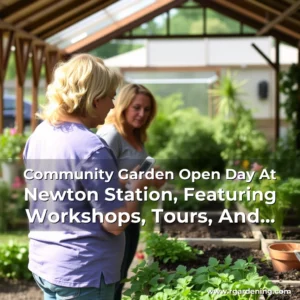
Raising awareness about sustainable methodologies equips others with actionable steps toward greener lifestyles. Disseminating information through social media channels expands reach beyond immediate circles. Hosting open days showcases tangible results achievable through simple adjustments.
Engaging policymakers highlights grassroots support behind legislative changes favoring eco-conscious policies. Partnering with educational institutions integrates curricula focused on regenerative practices from early learning stages onwards. Publishing articles like this one continues dissemination efforts globally.
Conclusion
Sustainable gardening embodies a multifaceted philosophy encompassing ecological integrity, resourcefulness, and interdependence among living beings. Every choice made—from tool selection to crop rotation—reflects commitments toward planetary welfare and human flourishing simultaneously.
By embracing these holistic approaches Sharing experiences inspires others along similar journeys, collectively forging paths forward rooted firmly in respect for Earth’s finite gifts.

news is a contributor at RGardening. We are committed to providing well-researched, accurate, and valuable content to our readers.