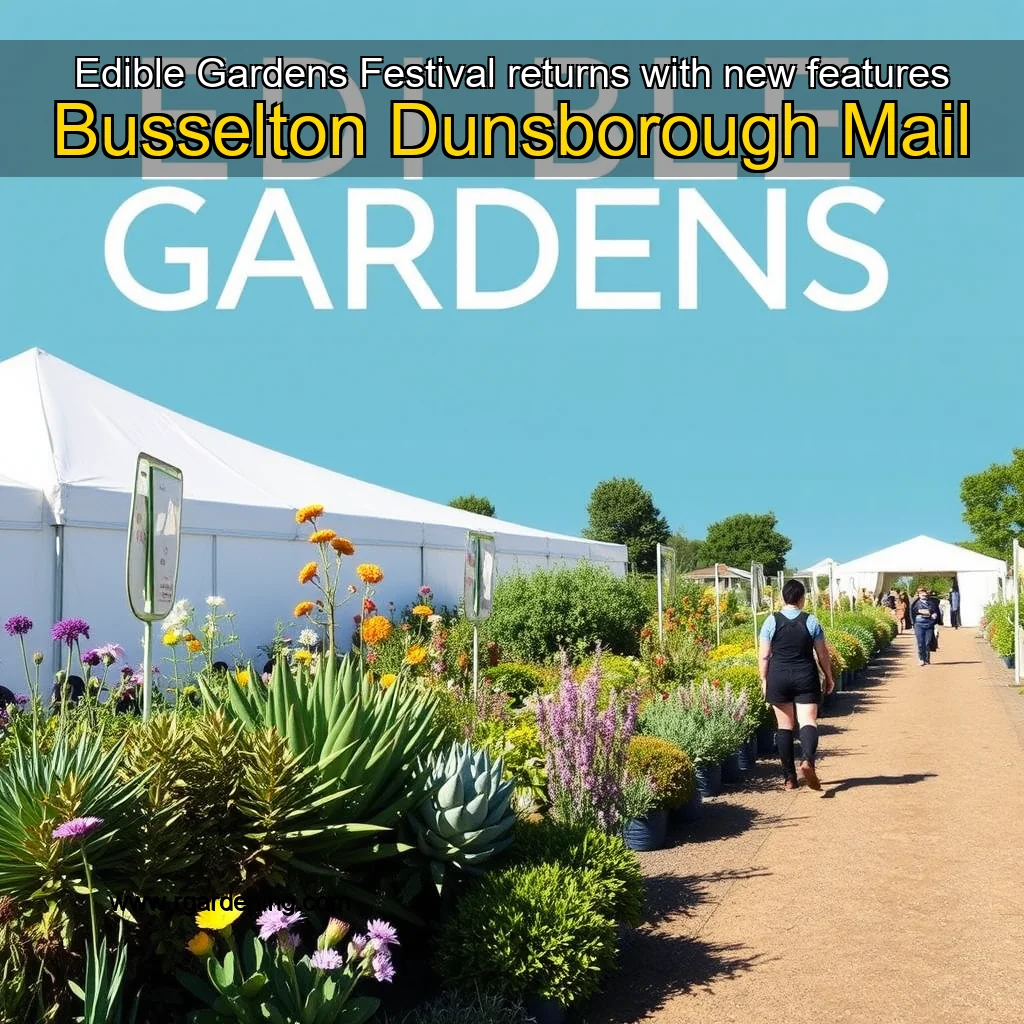
The festival will feature a range of activities, including workshops, demonstrations, and a showcase of edible gardens.
The History of the Edible Gardens Festival
The Edible Gardens Festival has been a beloved annual event in the Margaret River region for over 15 years. Since its inception, the festival has grown in popularity, attracting visitors from all over the world.
Friday tickets are $15 for adults and free for children 16 and under.
Garden Options
The festival features three unique gardens, each offering a distinct experience for visitors. The first garden, “The Secret Garden,” is a tranquil oasis in the heart of the city. This garden is designed to resemble a traditional English garden, complete with lush greenery, winding paths, and a variety of flowers and trees.
Local Experts Share Knowledge in In-Depth Workshops
The region’s agricultural community is abuzz with excitement as local experts take to the stage to share their expertise in a series of in-depth workshops. These ticketed events, priced at $25 each, offer attendees the opportunity to delve deeper into specific topics and gain valuable insights from industry professionals.
Promoting Abundance in Fruit Trees
One of the upcoming workshops is led by David Hatwell from Capes Horticulture, who will be sharing his knowledge on Promoting Abundance in Fruit Trees. This session promises to be a valuable resource for anyone looking to optimize their fruit tree’s potential. With a focus on practical tips and techniques, attendees can expect to leave with a newfound understanding of how to encourage healthy growth, fruit production, and overall tree well-being. Key takeaways from the workshop may include: + Understanding the importance of soil health and its impact on fruit tree productivity + Identifying and addressing common pests and diseases that can affect fruit trees + Learning how to create a balanced ecosystem that promotes healthy tree growth
Ultimate Worm Farming
Another highly anticipated workshop is Ultimate Worm Farming, led by Jamie and Lara McCall from Burnside Organic Farm. This session is perfect for anyone interested in vermicomposting, composting, and sustainable living. By the end of the workshop, attendees will have a comprehensive understanding of how to set up and maintain a thriving worm farm, as well as the benefits of using worms for composting and fertilization. Key benefits of worm farming include: + High-quality compost for gardening and agriculture + Reduced waste and environmental impact + Increased crop yields and improved soil health
Register Now
Don’t miss out on the opportunity to learn from local experts and take your knowledge to the next level.
The property is also home to a large pond and a small pond with a waterfall.
The Open Garden Program: A Haven for Nature Lovers
The Open Garden Program is a unique initiative that allows homeowners to open their gardens to the public, promoting a sense of community and connection with nature. This program is a great opportunity for nature lovers to explore and learn about various gardens, each with its own distinct character and charm.
The article is about the increasing number of people who are choosing to live off-grid.
Featured Garden: Jane House’s Rosa Brook Property
Jane House’s Rosa Brook property is one of the featured gardens in the Open Garden Program. This stunning property boasts a huge netted orchard, home to a dazzling variety of fruit trees, including apples, pears, and plums. The orchard is surrounded by annual and perennial veg beds, providing a diverse range of fruits and vegetables for the household. Some of the notable features of the garden include:
Benefits of the Open Garden Program
The Open Garden Program offers numerous benefits for both homeowners and visitors.
Despite its modest size, this property has been transformed into a lush oasis, showcasing the potential for small-scale farming and sustainable living.
The Challenge of Small-Scale Farming
Growing food in a small space can be a daunting task, especially when it comes to producing a significant amount of produce. However, with the right approach and mindset, it is entirely possible to create a thriving and productive garden, even in a small area like Giselle’s 500sqm property.
Key Factors for Success
To achieve success in small-scale farming, several key factors must be considered:
Fostering Community Through Food Festivals.
The Importance of Community Engagement in Food Festivals
Food festivals have become an integral part of modern celebrations, bringing people together to share in the joy of good food, company, and community. At the heart of these events lies a deeper purpose: fostering a sense of community and promoting hands-on learning experiences. In this article, we will delve into the significance of community engagement in food festivals, highlighting the role of organizers like Trevor Paddenburg in bridging the gap between participants and local experts.
The Role of Organizers in Community Engagement
Organizers like Trevor Paddenburg play a vital role in creating a sense of community at food festivals. As festival organiser, Trevor views his role as a ‘great honour’ in bridging the community and providing opportunities for people to learn and engage in hands-on food-growing activities. By doing so, he empowers individuals to take control of their own food production, fostering a sense of ownership and responsibility. Key aspects of Trevor’s role include: + Providing a platform for local experts to share their knowledge and experience + Offering hands-on activities and workshops for participants to learn and engage with food-growing techniques + Creating a welcoming and inclusive environment for people of all ages and skill levels
The Benefits of Community Engagement in Food Festivals
Community engagement is a crucial aspect of food festivals, offering numerous benefits for participants and the community as a whole.

news is a contributor at RGardening. We are committed to providing well-researched, accurate, and valuable content to our readers.