The Artful Alchemy of Garden Design: Crafting Living Masterpieces in Your Own Space
Garden design is an intricate dance between nature and human creativity that transforms ordinary spaces into extraordinary sanctuaries. It involves more than merely planting flowers; it’s about creating harmonious ecosystems that reflect personal style while supporting biodiversity.
This guide delves into the nuanced world of garden design, offering expert insights on everything from selecting native plants to incorporating sustainable practices that enhance both beauty and environmental health.
Foundations of Effective Garden Design
A well-conceived garden begins with understanding your space’s unique characteristics. Assessing soil quality, sunlight expo These factors determine which plants will thrive and how water will naturally flow through the landscape.
Take time to observe your yard at different times of day. Note where shadows fall during morning hours versus afternoon sun. This awareness helps create balanced plantings that minimize stress on vegetation.
- Soil testing: Determines nutrient levels and pH balance essential for healthy growth
- Sunlight mapping: Helps identify optimal locations for sun-loving vs shade-tolerant species
- Drainage analysis: Prevents waterlogging issues by identifying low points in the terrain
Design Principles That Elevate Outdoor Spaces
Balancing form and function lies at the heart of exceptional garden design. While aesthetics matter greatly, practical considerations such as maintenance requirements and seasonal interest must also be addressed thoughtfully.
Consider implementing the principle of contrast effectively. Pair bold textures with delicate ones, use vibrant colors against muted backgrounds, and vary plant heights strategically across your landscape.
Unity is another key element. Even when using diverse elements, maintaining cohesive visual themes creates a sense of harmony rather than chaos in outdoor environments.
Crafting Visual Interest Through Plant Selection
Selecting the right plants goes beyond choosing pretty flowers. Think about foliage texture, bloom duration, and color schemes that work together year-round. A mix of evergreens provides structure while flowering shrubs offer seasonal pops of color.
Native plants often serve dual purposes – they’re adapted to local conditions while providing habitat for wildlife. Incorporating them supports ecological balance without requiring excessive care.
Layered planting techniques can transform flat landscapes into dynamic vertical gardens. Combine ground covers with medium-height shrubs and tall trees to create depth and dimensionality.
Incorporating Hardscape Elements Thoughtfully
Hardscaping components like patios, walkways, and retaining walls contribute significantly to a garden’s overall character. Their placement should complement natural features rather than compete with them.
When selecting materials, consider durability alongside aesthetic appeal. Natural stone blends seamlessly with most landscapes whereas concrete offers modern minimalism that might clash with traditional settings.
Pathway design deserves special attention. Curved paths encourage exploration while straight lines provide clear directional cues. The width of pathways depends on their intended purpose – narrow trails suit intimate seating areas but wider routes accommodate wheelchairs or strollers.
Creating Functional Zones Within Your Yard
Dividing your garden into distinct functional zones enhances usability without sacrificing beauty. Define areas for relaxation, entertainment, gardening activities, and wildlife habitats through thoughtful spatial organization.
For example, position seating near mature trees that provide natural shade during hot afternoons. Place play structures away from high traffic areas yet within sightlines of supervising adults.
Kitchen gardens benefit from being located close to cooking areas for easy access to fresh produce. Consider wind protection when placing vegetable beds near entryways prone to strong breezes.
Water Features as Focal Points
Adding water elements introduces soothing sounds and visual movement to static landscapes. From simple birdbaths to elaborate ponds, these features become focal points around which other design choices revolve.
Ponds require careful consideration regarding size, shape, and maintenance needs. They support aquatic life while reflecting surrounding greenery beautifully under moonlight. However, they demand regular cleaning and algae control measures.
Fountains come in countless styles ranging from rustic stone designs to sleek contemporary sculptures. Choose one that complements your home’s architectural style while considering noise level implications for nearby living spaces.
Leveraging Lighting for Nighttime Ambiance
Outdoor lighting transforms gardens into magical realms after sunset. Strategically placed lights highlight key features while ensuring safety along pathways and entrances.
Use uplights to illuminate tree trunks or sculpture bases, casting interesting shadows on adjacent surfaces. Downlights embedded in hedges or beneath decks provide subtle illumination without overpowering nighttime views.
Solar-powered options offer eco-friendly alternatives that reduce electricity costs. Motion sensors help conserve energy by activating only when needed, making them ideal for security lighting applications.
Maintaining Balance Between Ornamental and Edible Plants
Combining ornamental displays with productive growing spaces creates multifunctional gardens that please both eyes and stomachs alike. Herbs planted near kitchen windows receive ample light while adding fragrance to everyday routines.
Vine-covered arches or trellises serve double duty by screening unsightly fences while producing fruits like grapes or kiwis. Container-grown vegetables on terraces maximize limited space without compromising visual appeal.
Seasonal rotations allow you to enjoy colorful blooms throughout the year while harvesting fresh ingredients when they’re ripest. Plan layouts so companion plants mutually benefit each other’s growth processes.
Eco-Friendly Practices in Modern Garden Design
Sustainable landscaping approaches prioritize resource conservation without sacrificing beauty. Rainwater collection systems provide free irrigation while reducing stormwater runoff issues.
Xeriscaping principles apply particularly well in arid regions, minimizing need for supplemental watering through intelligent plant selection and mulching strategies. Drought-resistant grasses replace thirsty lawns with lower maintenance alternatives.
Composting programs turn organic waste into rich fertilizers that nourish soils naturally. Worm farms indoors supplement compost piles outdoors, accelerating decomposition rates efficiently.
Engaging With Nature Through Wildlife Gardening
Creating habitats for beneficial creatures enriches gardens ecologically while providing fascinating viewing opportunities. Bee hotels attract pollinators crucial for fruit production and flower propagation.
Bat houses installed properly provide shelter for nocturnal insect controllers who help manage pest populations organically. Bird feeders positioned safely away from predators ensure feathered friends feel secure visiting regularly.
Planting nectar-rich flowers attracts butterflies whose presence signals thriving ecosystem health. Leave some leaf litter undisturbed to provide overwintering sites for ladybugs and lacewings that prey on harmful insects.
Taking Inspiration From Global Landscape Traditions
Japanese rock gardens emphasize simplicity and contemplation through carefully arranged stones and raked gravel patterns. These minimalist compositions invite meditation amidst serene surroundings.
Mediterranean-style gardens feature drought-tolerant plants paired with terracotta pots and clay tiles that evoke coastal lifestyles. Lavender fields border winding stone paths lined with olive trees.
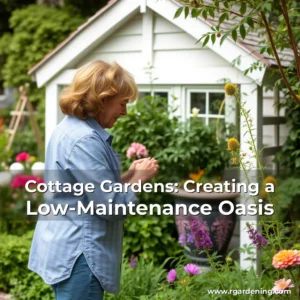
English cottage gardens celebrate abundance through chaotic charm – mixing annuals and perennials freely among heirloom roses and climbing vines draped over fences.
Adapting Designs For Small Spaces And Urban Settings
Vertical gardening solutions maximize limited square footage available in city apartments or tiny backyards. Trellised walls covered with ivy or edible climbers utilize upward space creatively.
Container gardening allows flexibility in arranging portable planters wherever sunniest spots emerge seasonally. Stackable grow boxes optimize storage potential when not in active cultivation phases.
Roof gardens convert otherwise unused spaces into lush retreats above urban environments. Green roofs insulate buildings naturally while filtering air pollutants effectively.
Planning For Long-Term Sustainability
Garden design isn’t just about initial installation – it requires ongoing stewardship to maintain its integrity over decades. Regular assessments help identify emerging challenges before they become crises.
Climate change impacts necessitate adaptable strategies that account for shifting weather patterns affecting traditional planting schedules. Select resilient plant varieties capable of enduring extreme temperatures fluctuation.
Community involvement strengthens sustainability efforts through shared knowledge exchange and collective responsibility towards preserving green spaces locally. Participate in neighborhood beautification initiatives whenever possible.
Conclusion
Garden design emerges as a powerful means of expressing individuality while fostering connections with the natural world. By applying fundamental principles and innovative techniques, anyone can cultivate breathtaking landscapes tailored specifically to their lifestyle preferences.
Embrace experimentation with new ideas, stay observant of changing conditions, and remember that every garden evolves continuously – transforming gradually into a living testament of patience, passion, and perpetual renewal.

news is a contributor at RGardening. We are committed to providing well-researched, accurate, and valuable content to our readers.