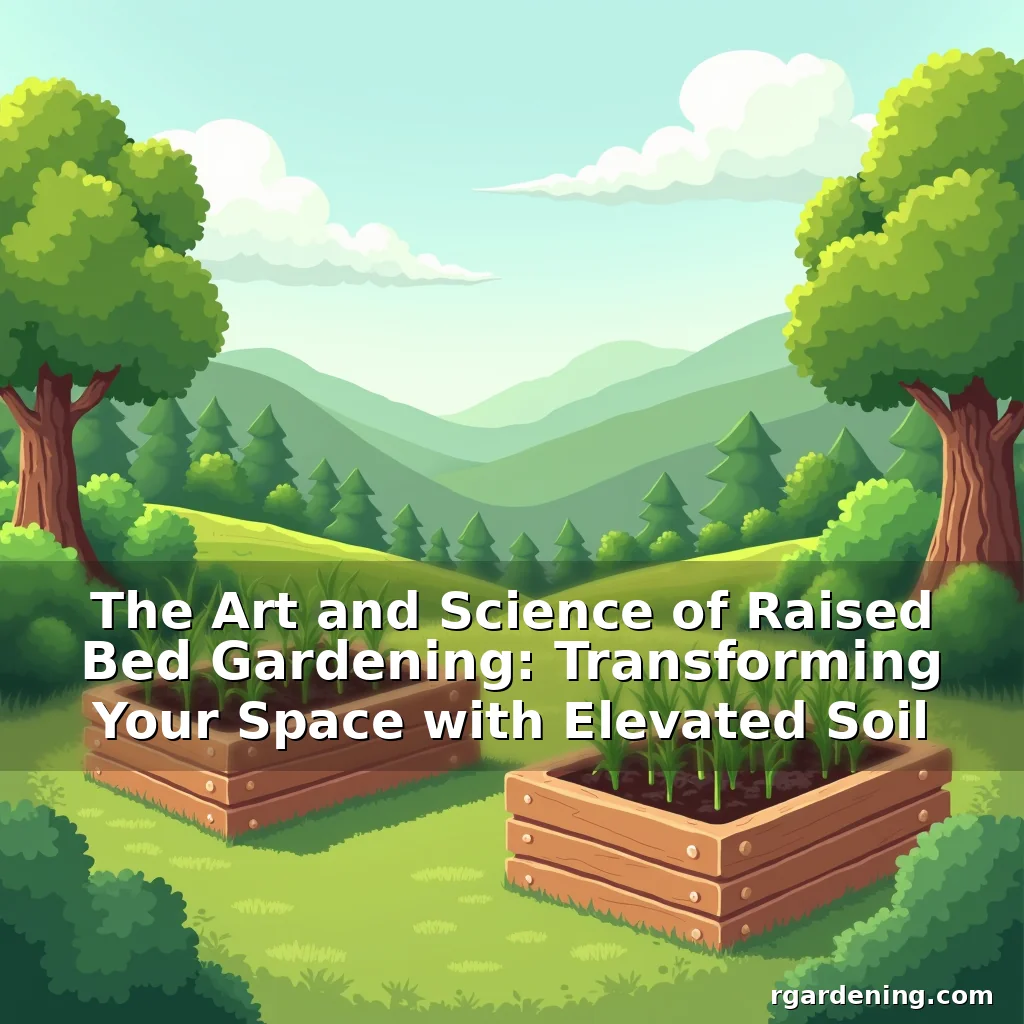
The Art and Science of Raised Bed Gardening: Transforming Your Space with Elevated Soil
Raised bed gardening has emerged as a revolutionary approach that blends aesthetics, functionality, and sustainability. By elevating your planting area above ground level, you can create an optimal environment for plant growth while also addressing common challenges such as poor soil quality, drainage issues, and limited space. This method not only enhances productivity but also makes gardening accessible to people with physical limitations.
In recent years, raised beds have gained popularity among both novice and experienced gardeners alike due to their numerous benefits. They offer better control over soil composition, reduce weed competition through contained environments, and provide easier access for maintenance tasks. Whether you’re working with small urban spaces or expansive backyard plots, raised beds can be tailored to suit various needs and preferences.
Fundamentals of Raised Bed Design and Construction
The foundation of successful raised bed gardening lies in understanding its basic principles. A well-designed raised bed should consider factors such as size, depth, orientation, and material selection. These elements collectively influence how effectively plants will grow within the structure.
When choosing dimensions for your raised beds, it’s crucial to balance practicality with personal preference. Standard sizes often range from 4 feet wide by 8 feet long up to larger configurations depending on available space and intended use. However, wider beds may require additional support structures or internal pathways for easy access during cultivation activities.
- Material Selection: Common materials used include wood, stone, concrete blocks, and composite lumber. Wood options vary significantly; cedar and redwood are naturally resistant to rot whereas pressure-treated pine might contain chemicals harmful to plants over time.
- Depth Considerations: Most vegetables thrive best when planted at least 6 inches deep though some root crops like carrots benefit from deeper soils ranging anywhere between 12-24 inches based upon specific requirements.
Elevating Garden Productivity Through Optimal Soil Composition
Cultivating rich, fertile soil is essential for maximizing yields in any garden setup including those utilizing raised beds. Unlike conventional gardens where native soil conditions dictate nutrient availability, raised beds allow complete customization of growing medium according to individual crop needs.
To prepare ideal soil mixtures suitable for most general-purpose applications, combine equal parts composted organic matter (such as aged manure), peat moss or coconut coir, and topsoil sourced locally. This blend provides good moisture retention without becoming waterlogged while ensuring adequate aeration necessary for healthy root development across diverse plant species.
Nutrient Management Strategies for Sustained Growth
Regular monitoring and replenishment of nutrients play vital roles in maintaining long-term fertility levels within raised beds. Implementing practices like side-dressing with nitrogen-rich amendments during active growth phases helps sustain vigorous foliage production especially beneficial towards leafy greens which tend to deplete soil resources quickly compared to fruit-bearing varieties.
Avoiding chemical fertilizers whenever possible promotes ecological balance by encouraging natural microbial activity beneath surface layers responsible for decomposing organic waste into usable forms readily absorbed by roots systems. Instead opt for slow-release granular feeds made primarily from fish emulsion or seaweed extracts which release nutrients gradually minimizing risk of burnout episodes caused by sudden spikes in mineral concentrations.
Maximizing Yield Potential With Strategic Plant Placement
Arranging plants strategically within each raised bed contributes significantly toward achieving higher harvest volumes annually. Grouping compatible species together facilitates efficient resource utilization reducing competition for light expo
Crop rotation techniques prove particularly effective when managing multiple successive seasons’ worth of produce cycles. Rotating families belonging different botanical groups prevents depletion certain types minerals favorably favored particular genera thereby preserving soil health integrity year after year rather than allowing exhaustion patterns develop predictably over extended periods.
- Sunlight Exposure Optimization: Position taller plants towards north sides so they don’t cast excessive shadows onto shorter companions positioned further southward regions receiving ample direct sunlight throughout day length variations occurring seasonally.
- Pest Control Integration: Incorporate companion planting strategies wherein beneficial insect attractors intermingled alongside susceptible targets creating microhabitats conducive predator-prey relationships thus naturally deterring unwanted intruders threatening delicate floral arrangements established carefully curated layouts.
Seasonal Planning Techniques For Year-Round Harvests
Effective seasonal planning enables continuous food supply generation regardless climatic fluctuations affecting traditional outdoor cultivation methods. Understanding local frost dates combined knowledge regarding cold hardiness ratings assigned every cultivar allows precise timing sowings operations aligned phenological events governing germination processes.
Implementing layered planting approaches known succession sowing ensures staggered maturity intervals preventing overwhelming simultaneous ripening schedules leading potential spoilage losses associated perishable goods requiring prompt consumption post-harvest collection sessions.
Winterization Practices To Protect Investments
Preparing raised beds appropriately before winter dormancy period safeguards against damage inflicted freezing temperatures capable disrupting structural integrity supports holding contents securely upright positions awaiting spring revival initiatives. Insulating blankets wrapped tightly around frames serve dual purposes offering thermal protection plus barrier prevention rodent incursions seeking shelter insulation sources.
Additionally incorporating cover crops like clover or rye during fall months adds another layer defense strategy fortifying soil stability structures while simultaneously enriching substrates through biological fixation mechanisms enhancing nitrogenous compound availability benefiting subsequent cropping sequences initiated following thawing conditions return early springtime arrivals.
Water Conservation Methods Tailored Specifically Toward Raised Beds
Efficient irrigation management becomes paramount concern considering elevated nature these containers inherently increasing evaporation rates relative standard ground-level counterparts necessitating careful attention conservation measures implementation avoiding unnecessary wastefulness.
Drip irrigation systems represent superior choice delivering measured quantities moisture precisely targeted zones eliminating runoff occurrences frequently observed overhead sprinkler usage scenarios potentially leaching vital nutrients beyond reach primary root clusters concentrated near immediate vicinity seedlings emerging developmental stages.
- Mulching Applications: Applying thick layer mulch composed shredded bark leaves straw etc reduces frequency watering required conserves humidity trapped underneath surfaces shielding sensitive tissues exposed ambient atmospheric conditions fluctuating rapidly influenced external environmental variables impacting hydration status organisms residing confined areas.
- Soaker Hose Utilization: Soaker hoses placed beneath mulched layers distribute evenly distributed moisture profiles penetrating deeply enough reach lower strata typically inaccessible conventional spraying devices unable penetrate dense vegetation coverage blocking line-of-sight visibility critical factor determining effectiveness distribution patterns achieved via mechanical means alone.
Addressing Common Challenges Faced During Raised Bed Maintenance
Despite many advantages offered through adoption raised bed methodology several obstacles inevitably arise demanding proactive solutions mitigated properly managed situations prevent escalation problems becoming insurmountable barriers hindering progress forward endeavors cultivating thriving ecosystems flourishing harmoniously symbiotic relationship existing components comprising complex web lifeforms interacting dynamically continuously evolving landscape.
Weed infiltration remains persistent issue requiring consistent vigilance employing preventative tactics coupled regular removal protocols maintain dominance desired flora species outcompeting undesirable intrusions attempting establish foothold precarious equilibrium maintained meticulously monitored daily routines incorporated broader stewardship responsibilities undertaken caretakers committed nurturing sustainable habitats fostering biodiversity richness characteristic matured landscapes developed over generations diligent efforts sustained commitment ongoing care provided consistently without interruption.
- Organic Mulches As Weed Suppressants: Using biodegradable mulching agents derived plant-based origins serves twofold function retaining moisture levels desirable simultaneously smothering young weeds sprouting nascent phase lifecycle prior reaching reproductive maturity stage capable spreading seeds perpetuating cycle infestation unless interrupted timely intervention deployed swiftly.
- Manual Weeding Best Practices: Hand-pulling weeds proves most effective technique especially when done regularly preventing establishment robust root networks difficult eradicate later stages growth process. It’s advisable perform weeding tasks either early morning dew evaporated times ensuring grip loosened sufficiently making extraction effortless task requiring minimal effort exertion.
Creative Approaches Enhancing Visual Appeal And Functionality Of Raised Beds
Beyond mere utility value raised beds possess tremendous aesthetic appeal achievable through thoughtful design choices reflecting personal tastes artistic inclinations transforming otherwise utilitarian objects decorative features complementing surrounding environments seamlessly integrated cohesive visual language expressing identity owner cultivated garden spaces.
Incorporating ornamental edging materials crafted metal bronze copper recycled glass tiles lends elegant finishing touches framing borders defining boundaries visually separating distinct functional zones arranged purposefully according spatial constraints available landmass utilized efficiently optimally allocated resources devoted creation living artwork celebrating connection humanity earth.
- Vertical Elements Adding Dimension: Installing trellises arbor structures encourages vining plants climb upwards occupying vertical airspace reducing horizontal footprint required typical sprawling habit exhibited legumes squash melons etc enabling greater number specimens grown within same square footage allocated initial planning phases.
- Hardscaping Features Integrating Pathways: Constructing gravel paths stepping stones adjacent beds improves accessibility mobility facilitating movement maintenance activities carried out routinely throughout growing seasons additionally providing opportunities incorporate additional seating areas benches created repurposed wooden pallets painted vibrant colors adding pops color contrast muted tones predominant palette dominant theme entire layout.
Community Engagement Opportunities Within Raised Bed Gardening Circles
Participating community gardening projects fosters social connections strengthens bonds formed shared experiences collaborating others pursuing similar passions learning exchanging ideas troubleshooting encountered difficulties encountered along journey mastering skills demanded successful horticultural pursuits.
Local agricultural extension offices frequently host workshops seminars covering topics ranging soil testing pH balancing pest identification disease diagnostics equipping participants foundational knowledge required navigate complexities involved sustaining productive gardens enduringly resilient withstand adversities posed unpredictable weather patterns climate change induced variability affecting traditional farming methodologies previously relied solely upon empirical observations passed down generations orally through familial ties.
Volunteering In Educational Programs Promoting Sustainable Living
Engaging volunteer programs affiliated schools universities parks departments offers hands-on experience teaching children youth importance nutritious diets sourced fresh produce grown responsibly respecting environmental limits imposed planet’s finite resources. Such interactions cultivate awareness future stewards tasked safeguarding ecological balance global scale.
These educational outreach ventures also present opportunity demonstrate innovative techniques applied raised beds illustrating efficiency scalability applicable diverse settings city lots rooftop terraces suburban yards rural farms alike proving versatile solution adaptable myriad contexts varying degrees complexity challenge addressed effectively employing fundamental principles mastered through practice experimentation continual refinement strategies employed professionals amateurs alike contributing collective body knowledge expanded exponentially digital age facilitated internet connectivity instantaneous information exchange transcending geographical boundaries.
Conclusion
Raised bed gardening represents powerful tool empowering individuals communities achieve self-sufficiency foster environmental consciousness enhance quality life enjoyed cultivating bountiful harvests nurtured loving care dedicated effort invested every aspect process. Its adaptability versatility make appealing option anyone wishing explore realm horticulture irrespective background expertise level possessed.
By embracing raised bed gardening, you not only transform your outdoor space into a lush oasis but also contribute positively to the ecosystem around you. Begin today by selecting the right location, preparing your soil, and planting with intention—your garden will reward you abundantly in return.

news is a contributor at RGardening. We are committed to providing well-researched, accurate, and valuable content to our readers.