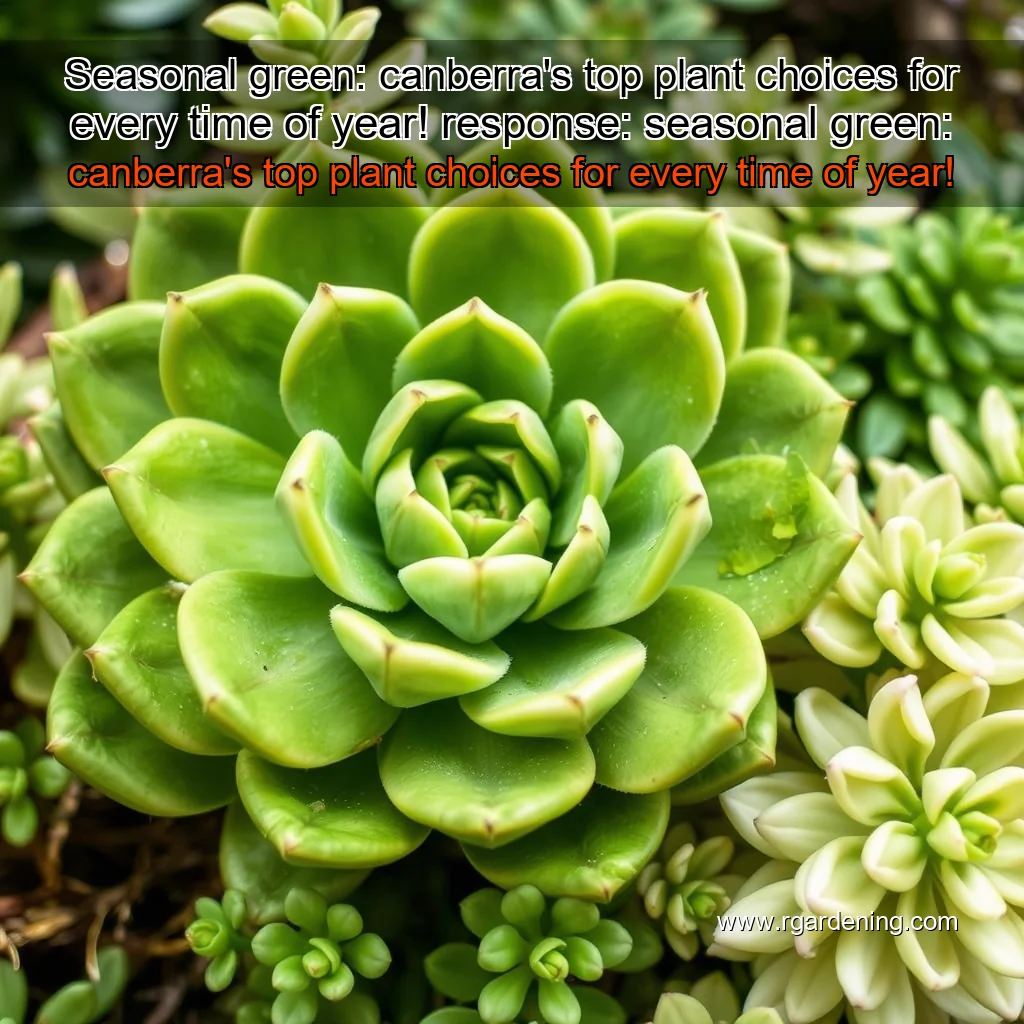
Spring brings renewal and a chance to introduce new plants into the garden.
A Year in the Garden: Jackie Warburton’s Seasonal Favourites
As the seasons change, so do the plants that bring joy and beauty to our gardens. For gardening writer Jackie Warburton, each season brings its own unique set of favourites that she can’t wait to share with her readers. In this article, we’ll take a journey through the year in the garden with Jackie, exploring her top picks for each season.
Spring: A Time of Renewal
Spring is a time of renewal, and for Jackie, it’s the perfect season to introduce new plants into her garden. Here are some of her top picks for the spring season:
It is native to the Pacific Northwest region of North America. The plant has a unique, twisted trunk and branches that resemble the antlers of a deer. The leaves are elliptical in shape and have a reddish-brown color. The plant produces white flowers in the spring, which are followed by red berries in the fall.
The male catkins are usually found on the lower branches of the plant, while the female catkins are found on the upper branches.
Understanding the Reproductive Biology of Cacti
Cacti are fascinating plants that have adapted to survive in arid environments.
The Evolution of Ecological Landscapes
The book delves into the history of how our landscapes have transformed over time, from the early days of human settlement to the present day. It explores the impact of human activities on the environment, including deforestation, urbanization, and climate change. Key events and milestones in the evolution of ecological landscapes include:
- The Neolithic Revolution, which saw the introduction of agriculture and the clearing of forests
- The Industrial Revolution, which led to widespread deforestation and habitat destruction
- The rise of urbanization, which has resulted in the loss of natural habitats and ecosystems
The Role of Human Activities
Human activities have played a significant role in shaping the evolution of ecological landscapes. The book highlights the impact of various activities, including:
The Importance of Fertilizers in Vegetable Patch Management
A well-managed vegetable patch requires a delicate balance of fertilizers, water, and other essential nutrients to promote healthy plant growth. Fertilizers play a crucial role in providing the necessary nutrients for plants to thrive, and their application is critical to maintaining a productive and sustainable vegetable patch.
Types of Fertilizers
There are several types of fertilizers available, each with its unique characteristics and benefits. Some common types of fertilizers include:

news is a contributor at RGardening. We are committed to providing well-researched, accurate, and valuable content to our readers.