The Natural Approach to Slug Control
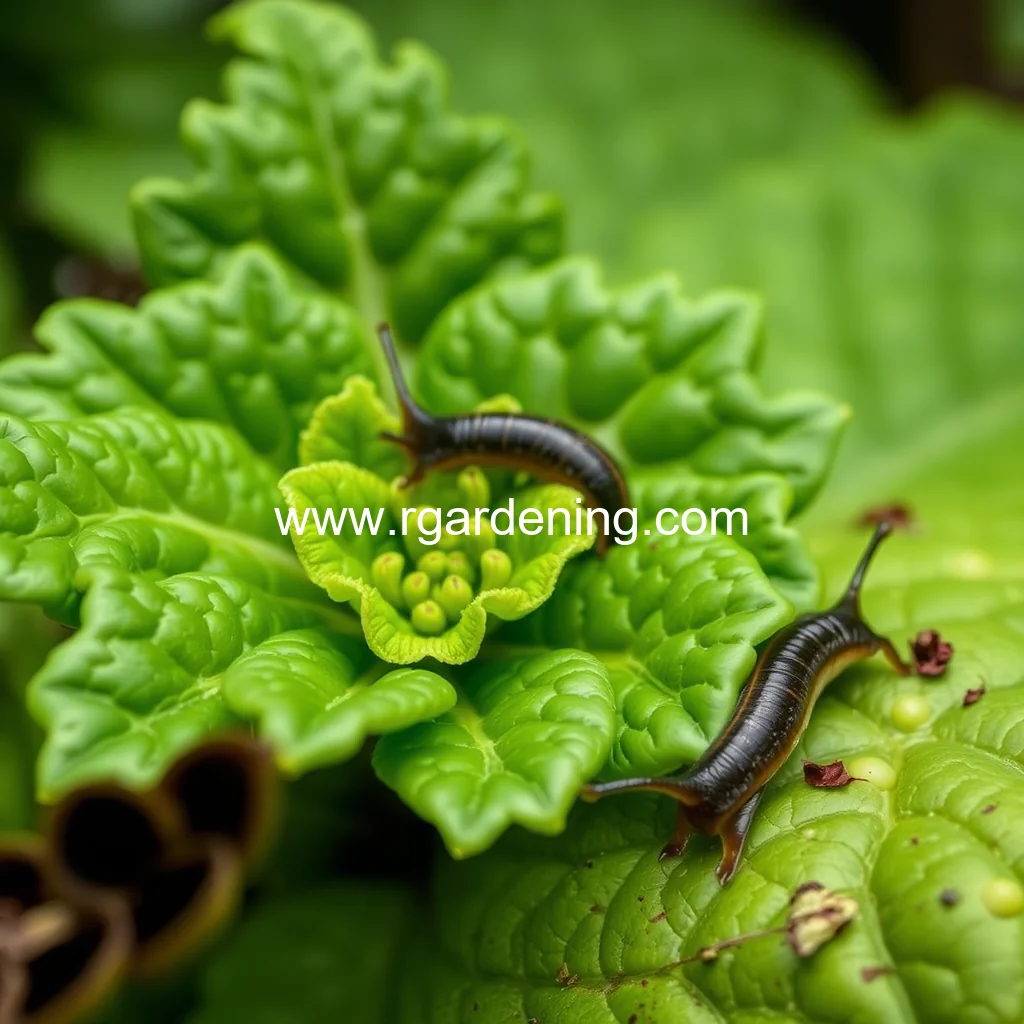
As a gardening expert, Colin Campbell-Preston has spent years studying the behavior of slugs and developing a more natural approach to controlling them. Unlike traditional methods that rely on chemicals and pesticides, Campbell-Preston’s approach focuses on using plants that slugs “absolutely despise” to deter them from entering gardens.
Plants That Slugs Hate
Some plants that slugs tend to avoid include:
Creating a Slug-Repellent Garden
To create a slug-repellent garden, Campbell-Preston suggests incorporating these plants into your garden design. Here are some tips to keep in mind:
Here are some of the best plants for slug control.
Slug-Repelling Plants: A Natural Solution
Choosing the Right Plants
When selecting plants to repel slugs, it’s essential to consider the type of slug you’re dealing with.
The Power of Lavender: Repelling Pests and Attracting Pollinators
Lavender, a perennial herb with a long history of use in perfumes, cooking, and medicine, has a multitude of benefits that extend beyond its aesthetic appeal. One of the lesser-known advantages of lavender is its ability to repel pests, making it a valuable addition to gardens and indoor spaces.
The Science Behind Lavender’s Pest-Repelling Properties
Lavender’s effectiveness in deterring pests can be attributed to its unique chemical composition. The herb contains a compound called linalool, which is responsible for its calming effects on humans. However, linalool also has a profound impact on pests, particularly slugs and snails. Lavender’s linalool content is toxic to these pests, causing them to avoid the herb’s presence. The strong fragrance of lavender is unappealing to slugs and snails, making it difficult for them to navigate through areas where the herb is present.
They are relatively low maintenance and can thrive in a variety of environments.
The Power of Aromatic Herbs in Repelling Slugs
A Natural Solution to Slug Problems
Slug infestations can be a significant problem for gardeners, causing damage to plants and reducing crop yields. While chemical pesticides can provide a quick fix, they can also harm beneficial insects and contaminate soil. A more natural approach is to use aromatic herbs to repel slugs. These herbs have been used for centuries to deter pests and can be a effective solution for gardeners.
The Science Behind Slug Repellence
+ Both texts are written in a conversational tone.
The Uninviting Hydrangea to Slugs and Snails
Hydrangea blooms, with their soft pink, white, and blue hues, may captivate our eyes, but unfortunately, they pose a significant challenge for our garden’s resident slugs and snails. These flowers are often considered a staple in many gardens, but their unappealing nature to pests can be a double-edged sword. On one hand, it provides a welcome respite from the damage these pests can cause. On the other hand, it can lead to a lack of diversity in our gardens, as other plants that might attract these pests are not considered.
The Allure of Hydrangeas
Hydrangeas are a popular choice for gardeners due to their stunning appearance. Their large, showy blooms come in a variety of colors, including soft pink, white, and blue. These flowers are not only visually appealing but also provide a sense of serenity and tranquility to any garden. However, their beauty is not just limited to their aesthetic value; they also have a significant impact on the ecosystem.
The Uninviting Nature of Hydrangeas
So, what makes hydrangeas unappealing to slugs and snails?

news is a contributor at RGardening. We are committed to providing well-researched, accurate, and valuable content to our readers.