The Genius of Growing Potatoes in a Dustbin
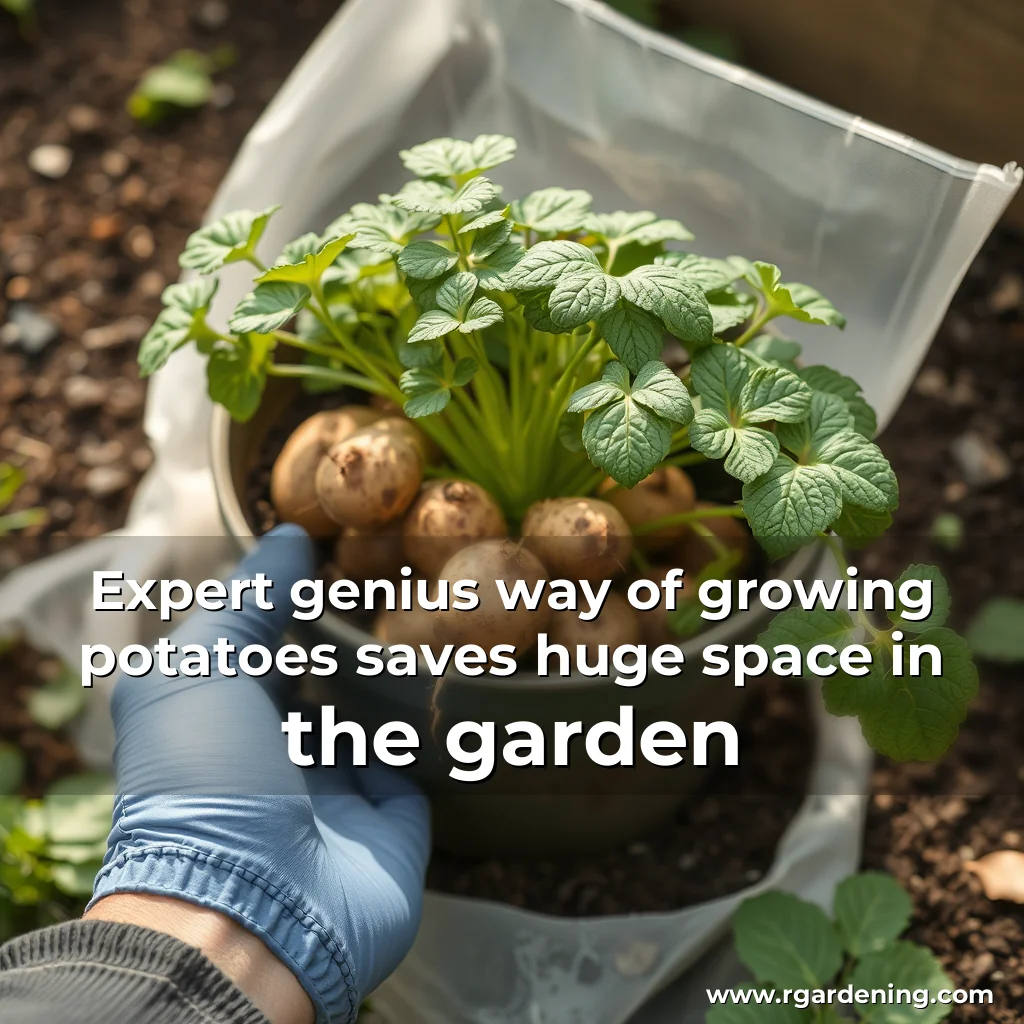
Gardening expert David Domoney has shared his genius way of growing potatoes at some point. He says you can grow potatoes in a dustbin rather than in a patch of land in your garden. This unconventional method has gained popularity among gardeners who want to try something new and innovative.
To grow potatoes in a dustbin, you’ll need the following materials:
Preparing the Seed Potatoes
To prepare the seed potatoes, you will need to choose the right ones. David recommends selecting seed potatoes that are disease-free and have at least one eye each. The eyes are the buds on the potato where new growth will emerge. You can identify the eyes by gently squeezing the potato. If it’s a seed potato, it will yield to pressure but still feel firm. • Look for seed potatoes that are firm and have no signs of sprouting or rotting. • Avoid seed potatoes that are too small or too large, as they may not produce well.
The Benefits of Composting
Composting is a natural process that involves breaking down organic materials into a nutrient-rich soil amendment. This process can have numerous benefits for gardeners and farmers, including:
The Science Behind Composting
Composting is a complex process that involves the breakdown of organic materials by microorganisms. These microorganisms, such as bacteria and fungi, feed on the organic matter and break it down into simpler compounds. • The process begins with the addition of green materials, such as food scraps and grass clippings, which are high in nitrogen.

news is a contributor at RGardening. We are committed to providing well-researched, accurate, and valuable content to our readers.