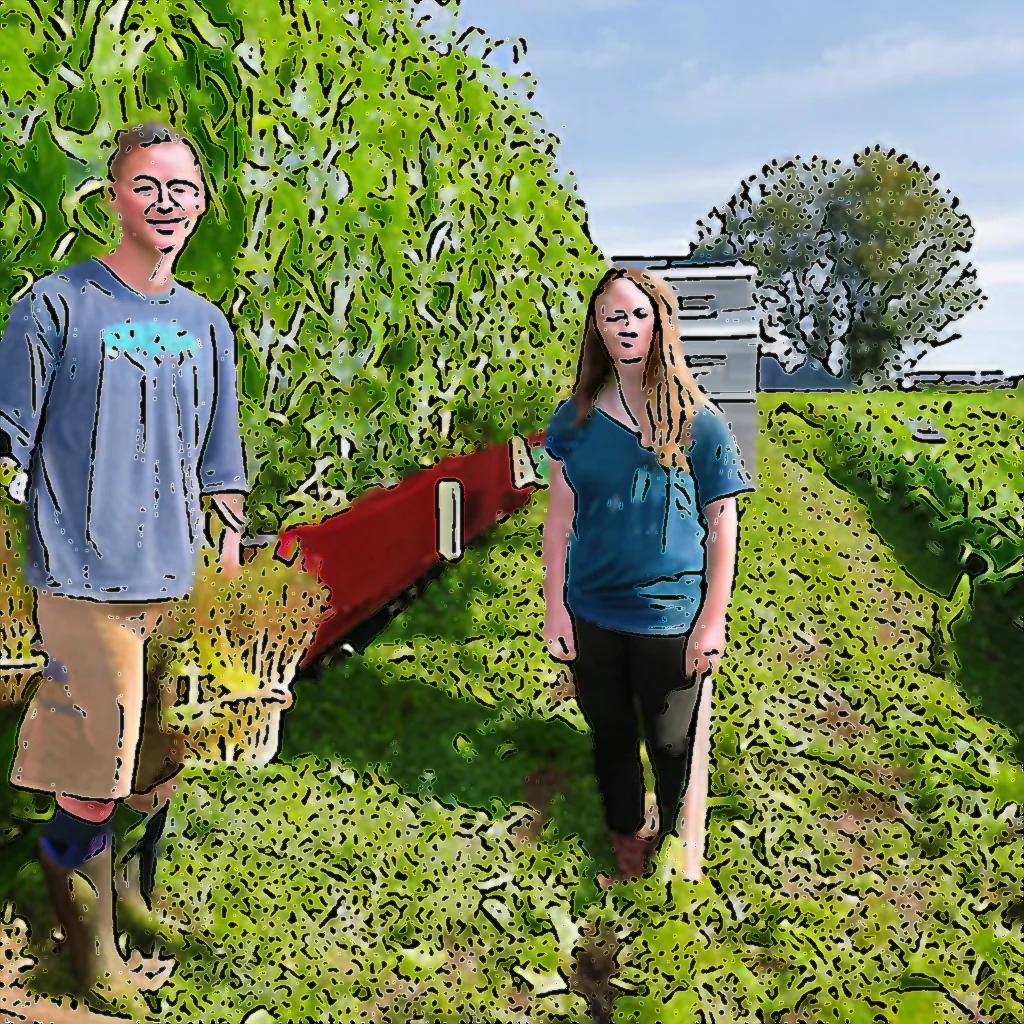
* **Hands-on Learning: The Farm at Hampshire College**
* **Sustainable Education:
The farm, established in 1972, is a testament to the college’s commitment to sustainability and environmental education. It’s a place where students can learn by doing, hands-on experience in agriculture, and gain practical skills. The farm is a vital part of the Hampshire curriculum, with students taking courses in agriculture, environmental studies, and sustainability.
This farm is a vital part of the university community, providing fresh, local, and sustainable food options. The farm’s commitment to sustainability is evident in its practices, such as composting, using rainwater harvesting, and minimizing waste. The farm also plays a significant role in educating students about sustainable agriculture and food systems.
This statement highlights a significant challenge facing many farms and agricultural businesses: the seasonal nature of labor and the difficulty in finding and retaining workers. The seasonal nature of labor is a well-known phenomenon in agriculture. It is driven by the cyclical nature of agricultural activities, such as planting, harvesting, and livestock management. These activities require specific periods of time and manpower, leading to a seasonal demand for labor.
Hampshire College Farm is a leader in sustainable agriculture, known for its commitment to organic practices, animal welfare, and environmental stewardship. They are a model for other farms and educational institutions, demonstrating the viability of sustainable agriculture. The farm’s mission is to provide students with hands-on experience in sustainable agriculture, while also offering a valuable resource for the local community.
The summary provided focuses on the “no-till” management technique and its benefits. Let’s delve deeper into this practice and explore its potential impact on vegetable production. **No-Till Management: A Sustainable Approach to Vegetable Production**
No-till management, also known as direct seeding, is a soil conservation practice that involves planting crops directly into the previous year’s crop residue without disturbing the soil.
This practice is known as no-till farming, and it has several benefits. No-till farming helps to conserve soil moisture, reduce erosion, and improve soil fertility. It also helps to suppress weeds and pests, and it can even help to increase crop yields.
This is because the Hampshire College Farm, located in Amherst, Massachusetts, is a model for sustainable agriculture. It is a working farm that focuses on teaching students about sustainable practices. The farm is a living laboratory for students and faculty to learn about sustainable agriculture, environmental stewardship, and food production.
The farm, a 100-acre property, is a significant part of Hampshire’s history and identity. It’s been a source of food for the college community for decades, providing fresh produce and fostering a connection to the land. The farm has also been a site for educational programs and community events, contributing to Hampshire’s commitment to sustainability and social responsibility.
Jacob Nelson is a communications coordinator at CISA. To learn more about local farms and where to find local food near you this harvest season, visit buylocalfood.org.

news is a contributor at RGardening. We are committed to providing well-researched, accurate, and valuable content to our readers.