* Climate change is affecting our food. * Our food is affecting the climate. * This is a complex issue with far-reaching consequences.
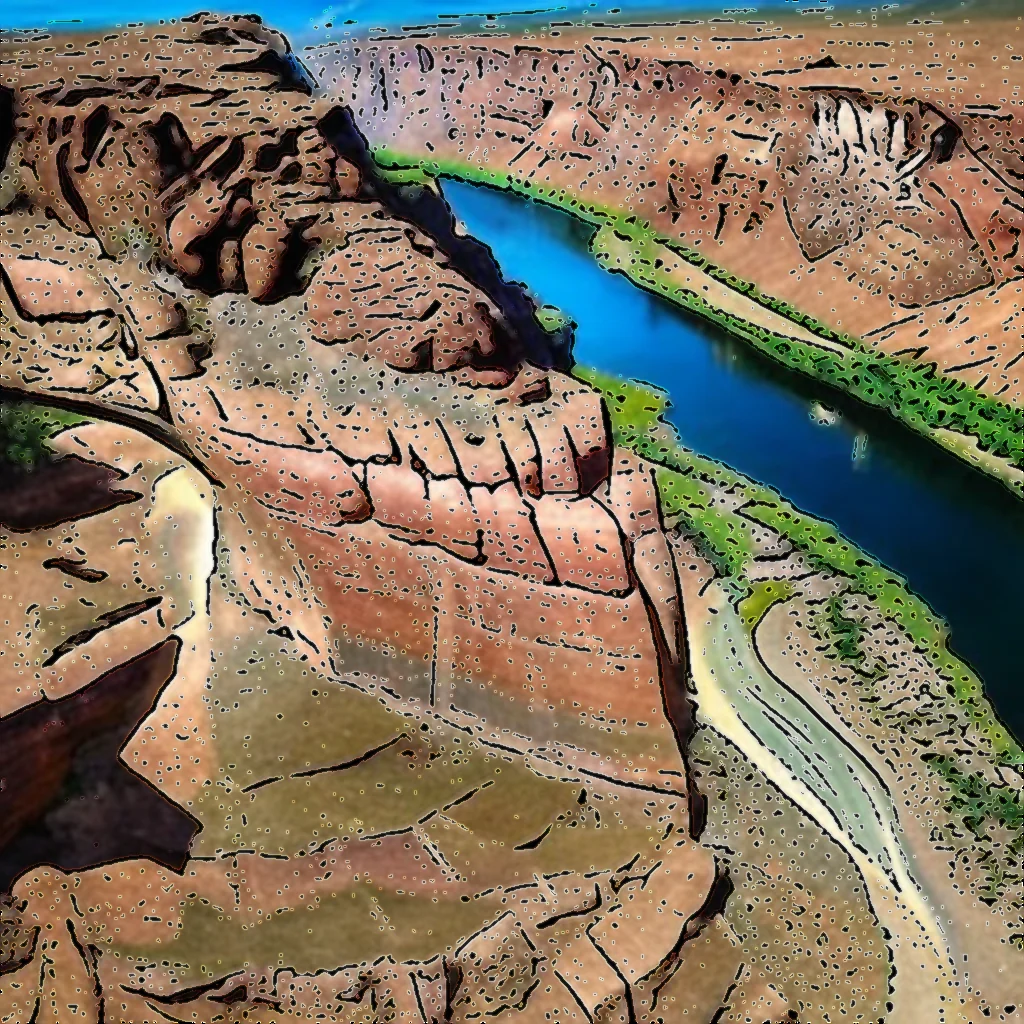
This figure highlights the significant role of agriculture in the Colorado River basin, and the potential consequences of unsustainable agricultural practices. The study, conducted by researchers at the University of California, Berkeley, found that the amount of water used for agricultural purposes has been steadily increasing over the past few decades. This trend is attributed to factors such as population growth, rising demand for meat and dairy products, and the expansion of livestock operations.
The Colorado River Basin, a vital source of water for millions of people, is facing a severe water crisis. The basin’s water supply is shrinking due to climate change, overuse, and other factors. This has led to a complex and contentious debate over how to share the dwindling water resources among the seven states that rely on the river.
The region’s agricultural landscape is dominated by large-scale farming operations, with a focus on producing high-quality hay for livestock. This focus on hay production has led to the development of specialized equipment and techniques, such as high-capacity balers and automated feeding systems. The valley’s agricultural economy is heavily reliant on the export of hay and other agricultural products.
Individual choices may not have a direct impact on the Colorado River in the short term, because the food system is so complex and global, Hasencamp says. But small changes can add up in the long term. Farmers in the region are already making changes, largely driven by stricter water regulations. But long-term change, experts say, will also require consumers to change how they eat. “One person removes one lawn, it doesn’t make a difference, but a thousand people starts to make a difference, and a million people makes a huge difference,” Hasencamp says. “It’s the same thing with the diet.”
He’s been farming for 15 years and has seen firsthand the effects of climate change on his crops. Tagg’s farm is located in the heart of the Imperial Valley, a region known for its arid climate and reliance on irrigation. The valley is also home to a large number of farms, making it a significant agricultural hub.
Trevor Tagg, 38, runs his family’s 3,200-acre farm in El Centro in Imperial County with his father and brother. He’s trying to set up the farm for the future at a moment of increasing uncertainty. “Essentially, we’re taking a 40-year-old company that was fairly beat up and trying to put it back in a position that will support my brother and I,” Tagg says. Like most farmers in the area, the Taggs grow alfalfa and other hay crops, which are sold to dairies and beef operations across the U.S. He also exports about 30% of his hay to countries such as China and Saudi Arabia. That’s a trend across the valley and the Colorado River basin. Exports of alfalfa to Asia and the Middle East have tripled in the past two decades because of rising demand for beef and dairy.
Tagg, a prominent figure in the agricultural industry, is known for his expertise in growing onions. He highlights the Imperial Valley, California, as a prime location for onion cultivation due to its ideal climate and abundant water resources. The region is known as the “winter vegetable capital” of America, showcasing its significant role in supplying the nation with fresh produce.
The California drought has been a defining feature of the state’s history, but recent years have seen a shift in the way water is being used and managed. While the state continues to grapple with water scarcity, innovative solutions are emerging, including the use of recycled water and the development of drought-tolerant crops. The Imperial Valley, a region known for its agricultural production, has been at the forefront of these efforts.
But, with the right approach, desert farming can be a viable and sustainable practice. The key to success lies in understanding the unique challenges and opportunities presented by the desert environment. Desert farming faces unique challenges, including water scarcity, extreme temperatures, and limited soil fertility. However, these challenges also present opportunities for innovation and adaptation.
A. Desert Farming: A Sustainable Approach
B.
This statement reflects a deep understanding of the unique challenges and opportunities presented by the arid environment. Brierley’s approach to farming in the desert is characterized by a focus on water conservation, efficient irrigation systems, and drought-resistant crops. He emphasizes the importance of understanding the desert’s ecosystem and adapting farming practices accordingly.
This is a complex issue with no easy answers. The Imperial Valley, a region known for its agricultural production, is facing a growing water crisis. The region’s farmers, like Tagg, rely heavily on the Colorado River for irrigation.
This strategy allows him to diversify his income and reduce his reliance on alfalfa. This approach to water conservation is not without its challenges. Tagg acknowledges that the growing demand for alfalfa in the region is putting pressure on water resources. He also recognizes that the innovative techniques he employs are not always readily adopted by other farmers. Some farmers may be resistant to change, and the adoption of new technologies can be slow.
The Colorado River, a lifeline for agriculture in the Southwest, is facing a severe drought. This has led to water restrictions and rationing for farmers like Brandt. Brandt’s family has been farming in the Imperial Valley for generations, and their operation relies heavily on the Colorado River for irrigation. The family’s 125-acre ranch is just a small part of a much larger operation.
This argument hinges on the idea that the Imperial Valley, with its controlled environment and relatively high standards of animal welfare, can produce beef that is both safe and sustainable. They believe that by choosing to raise beef in the Imperial Valley, they can contribute to a more ethical and environmentally friendly food system. However, critics of this argument point out that the Imperial Valley, while relatively safe, is not immune to environmental impacts.
“Would you rather consume beef or American products,” Brandt asked, “versus importing beef or produce from other countries that don’t share the same values and don’t have the same regulations, that might be deforesting land?” Erin Stone / LAist / LAist Alfalfa seed grows in the Imperial Valley of Southern California. Producers like Brandt and Tagg say that instead of pointing the finger at farmers, part of the solution is for consumers to better understand where their food comes from. Small dietary changes, big impact Climate scientists say the current global appetite for beef and dairy is unsustainable in the long term, but even modest changes could have a major impact.
However, in other parts of the world, demand is increasing rapidly. This trend is driven by several factors, including population growth, urbanization, and rising incomes. The global beef industry is facing a number of challenges, including climate change, land use change, and water scarcity. These challenges are impacting the production and distribution of beef, leading to price fluctuations and supply chain disruptions.
A. The Rise of the American Agricultural Giant
B.
is a major producer of beef, pork, and poultry, and its agricultural practices have a significant impact on the global food system. has a long history of agricultural innovation, dating back to the early 19th century, with the introduction of the mechanical reaper and the cotton gin. agricultural system is characterized by large-scale production, with a focus on efficiency and yield.
The summary highlights the importance of reducing meat consumption for health and environmental reasons. It also emphasizes the benefits of making small changes in eating habits. Let’s delve deeper into these points. **Health Benefits of Reducing Meat Consumption:**
* **Lowering Cholesterol:** Meat, particularly red meat, is high in saturated fat and cholesterol.
The article discusses the impact of climate change on the Colorado River, highlighting the challenges faced by farmers and ranchers in the region. It emphasizes the need for water conservation and highlights the role of agriculture in exacerbating the crisis. The article focuses on the Imperial Valley, a region in California known for its agricultural production.
Diets are personal. They are connected to cultures, individual health and tastes, as well as how much money and time households have. **Detailed Text:**
The concept of “diet” is far more nuanced than a simple list of foods to avoid or eat.
Copyright 2024 LAist 89.3

news is a contributor at RGardening. We are committed to providing well-researched, accurate, and valuable content to our readers.