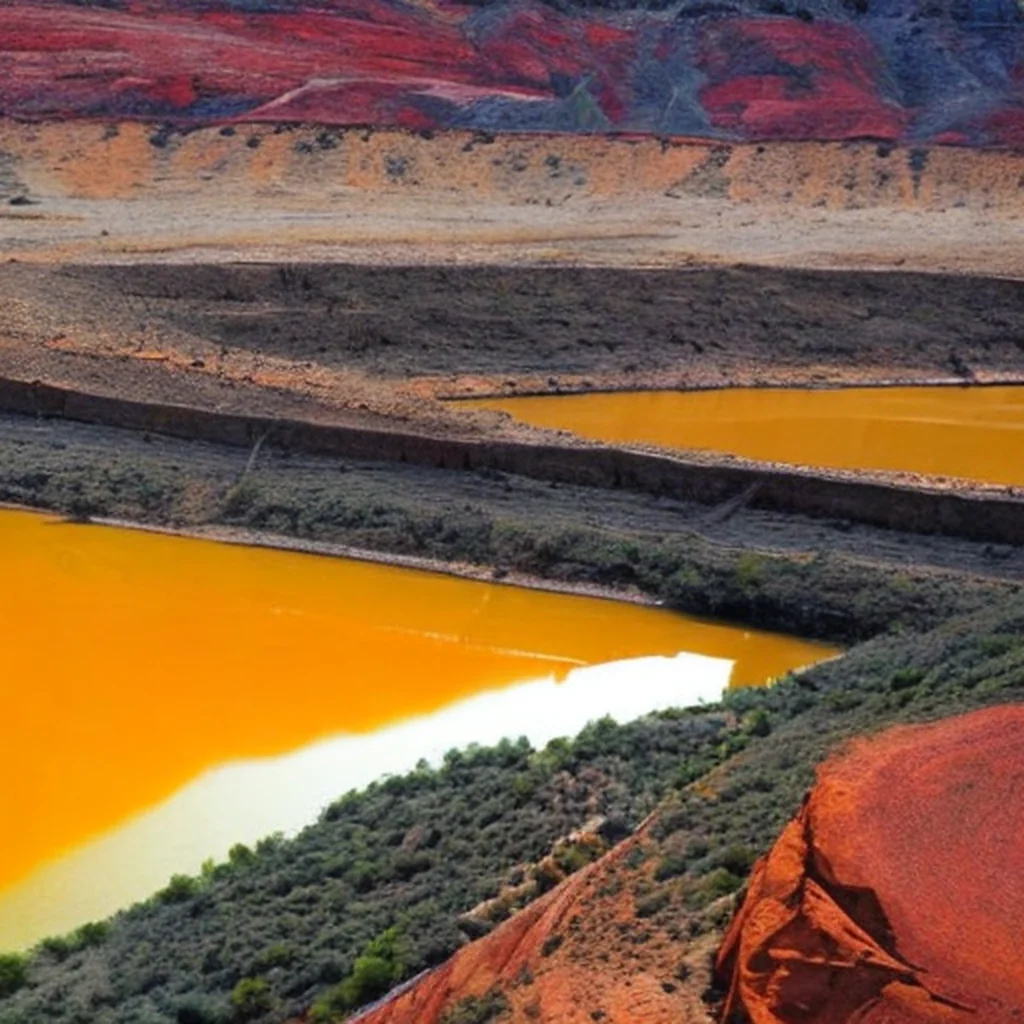
This is a critical issue, as the river is vital for agriculture, drinking water, and hydropower generation. The Colorado River is facing a severe drought, and its water levels are at historic lows. The situation is so dire that the states and the federal government are scrambling to find solutions. The Colorado River Basin is facing a complex and multifaceted crisis.
The Colorado River is facing a severe drought, and its water levels are at historic lows. The river’s flow has been reduced by 25% since 2000, and it is projected to decline further. The Colorado River is a lifeline for millions of people, supporting agriculture, industry, and urban development.
This reliance on the Colorado River for irrigation has led to a severe strain on the river’s water resources. The Imperial Valley, with its extensive network of canals and ditches, requires a large volume of water to sustain its agricultural operations. The reliance on the river has also led to a history of water mismanagement and overuse.
“We advertise ‘take short showers, remove your lawn to save water,’ but we’re not quite advocating diets as a society to save water yet,” says Bill Hasencamp, Colorado River resources manager for the Metropolitan Water District of Southern California, which supplies water from the river to cities across the region. Individual choices may not have a direct impact on the Colorado River in the short term, because the food system is so complex and global, Hasencamp says. But small changes can add up in the long term. Farmers in the region are already making changes, largely driven by stricter water regulations. But long-term change, experts say, will also require consumers to change how they eat.
“One person removes one lawn, it doesn’t make a difference, but a thousand people starts to make a difference, and a million people makes a huge difference,” Hasencamp says. “It’s the same thing with the diet.” Erin Stone / LAist / LAist Trevor Tagg, 38, grows alfalfa and other hay crops in the Imperial Valley of Southern California. He says the business is tough, and he worries that increasingly strict water restrictions will ultimately decimate farming in the region. Despite the challenges, he says he loves the lifestyle — and getting to ride around in his truck with his dog, Lucy.
This shift is driven by a combination of factors, including the increasing cost of water, the need to conserve water resources, and the desire to diversify their crops. The Imperial Valley, a region known for its vast agricultural production, is facing a water crisis. The region’s reliance on groundwater for irrigation has led to depletion of aquifers, and the water table is declining. This has prompted farmers to explore alternative water-saving solutions.
The Taggs’ farm is located in the heart of the Great Plains, a region known for its vast grasslands and fertile soil. The region’s climate is characterized by hot, dry summers and mild, wet winters. This climate is ideal for growing alfalfa and other hay crops.
That’s in part because vegetables require more human labor to harvest. Higher labor costs in California are one reason why vegetable growing has shifted from the Imperial Valley to Arizona and Mexico, says Bart Fisher, a Southern California farmer and former lead negotiator representing California on the Colorado River board. And farmers can’t turn a profit on vegetables until months or nearly a year later because they take more time to grow before they’re ready for harvest. Erin Stone / LAist / LAist Hay grown from Colorado River water in the Imperial Valley. In the background is a farm field converted to solar panels. Taking farmland out of production for solar panels is a growing trend in the Imperial Valley to save water and generate clean power for cities. But many farmers say the strategy hurts the local economy.
* **Imperial Valley: A Desert Oasis of Agricultural Abundance**
* **The Imperial Valley:
The Imperial Valley is a region in Southern California known for its arid climate and its agricultural production. The Imperial Valley is home to a large number of farms, and it’s a major producer of alfalfa. The Imperial Valley is a unique region in the United States, characterized by its arid climate and its agricultural production.
Plus, with year-round sunshine and little rain, it’s possible to grow more food and there are fewer variables that could ruin a crop. “I like to say we farm in the desert not in spite of the desert, but because of the desert,” Brierley says. “It turns out that we have, in most crops, really the highest productivity per acre and per acre-foot of water that you get anywhere — even alfalfa.” Tagg and his neighbors are intimately aware of changes on the Colorado River. “We’re probably more conscientious than anybody because we’re directly related to the river, as opposed to, with all due respect, someone who just turns on a tap or waters their lawn,” Tagg says.
The Imperial Valley is a unique case, and its water management system is a testament to the ingenuity and resilience of the farmers who call it home. The Imperial Valley, located in Southern California, is a fertile agricultural region known for its extensive cotton production. The valley’s history is intertwined with the development of the Colorado River, which provides the primary source of water for irrigation.
He’s also looking at other crops that require less water, like barley and wheat. He’s trying to diversify his farm’s income and reduce his reliance on alfalfa, which is a high-water crop. This farmer is taking proactive steps to adapt to the changing climate and water scarcity.
* Tagg’s farm is a model for sustainable agriculture. * Tagg sublets alfalfa plots to farmers who specialize in vegetables that use less water. * Tagg emphasizes the importance of crop rotation. * Tagg’s farm uses a variety of sustainable practices.
Eric Brandt’s family has been farming in the Imperial Valley for generations. They’ve been using the Colorado River for irrigation for decades, relying on this water source for their cattle and crops. The family’s legacy is deeply intertwined with the river, and their success is directly tied to its availability.
**Can American Beef Save the Planet?
This argument hinges on the notion that increased beef production in the United States would help mitigate the environmental damage caused by global beef consumption. Let’s break down this argument and consider its limitations. **1. Impact on Global Beef Production:**
The argument assumes that increasing US beef production would lead to a significant reduction in global beef production. This assumption is debatable.
This question, presented as a hypothetical choice, sparked a discussion about the ethics of consumption and the potential impact of individual choices on the environment and societal values. It also highlighted the need for a more nuanced understanding of the trade-offs involved in global food systems. The summary itself offers a thought-provoking question, prompting a deeper reflection on the ethical implications of consumer choices.
However, in other parts of the world, particularly in Asia, demand is surging. This trend is driven by several factors, including population growth, urbanization, and rising incomes. The global beef industry is facing a number of challenges, including climate change, land use change, and water scarcity. These challenges are impacting the production of beef, leading to price fluctuations and supply chain disruptions.
is a major producer of beef, pork, and poultry, and its agricultural practices have a significant impact on the global food system. has a long history of agricultural innovation, dating back to the early days of the country.
The summary highlights the importance of reducing meat consumption for a healthier lifestyle. It emphasizes that even in countries like the United States, where meat consumption is high, it’s possible to adopt a healthier diet by reducing meat intake. The summary also emphasizes the impact of small changes in eating habits on overall health.
The Colorado River, a vital source of water for millions of people, is facing a severe drought. This drought has led to water shortages and increased costs for agriculture, particularly in the Imperial Valley, a region known for its extensive agricultural production. The situation is further complicated by the fact that the Colorado River is facing a complex web of challenges, including over-allocation, climate change, and unsustainable water management practices.
**Personalized Diets: The Key to Sustainable Weight Management**
This means that there is no one-size-fits-all approach to dieting. Instead, a personalized approach is essential. Here are some key considerations for creating a personalized diet plan:
Copyright 2024 LAist 89.3 Loading…

news is a contributor at RGardening. We are committed to providing well-researched, accurate, and valuable content to our readers.