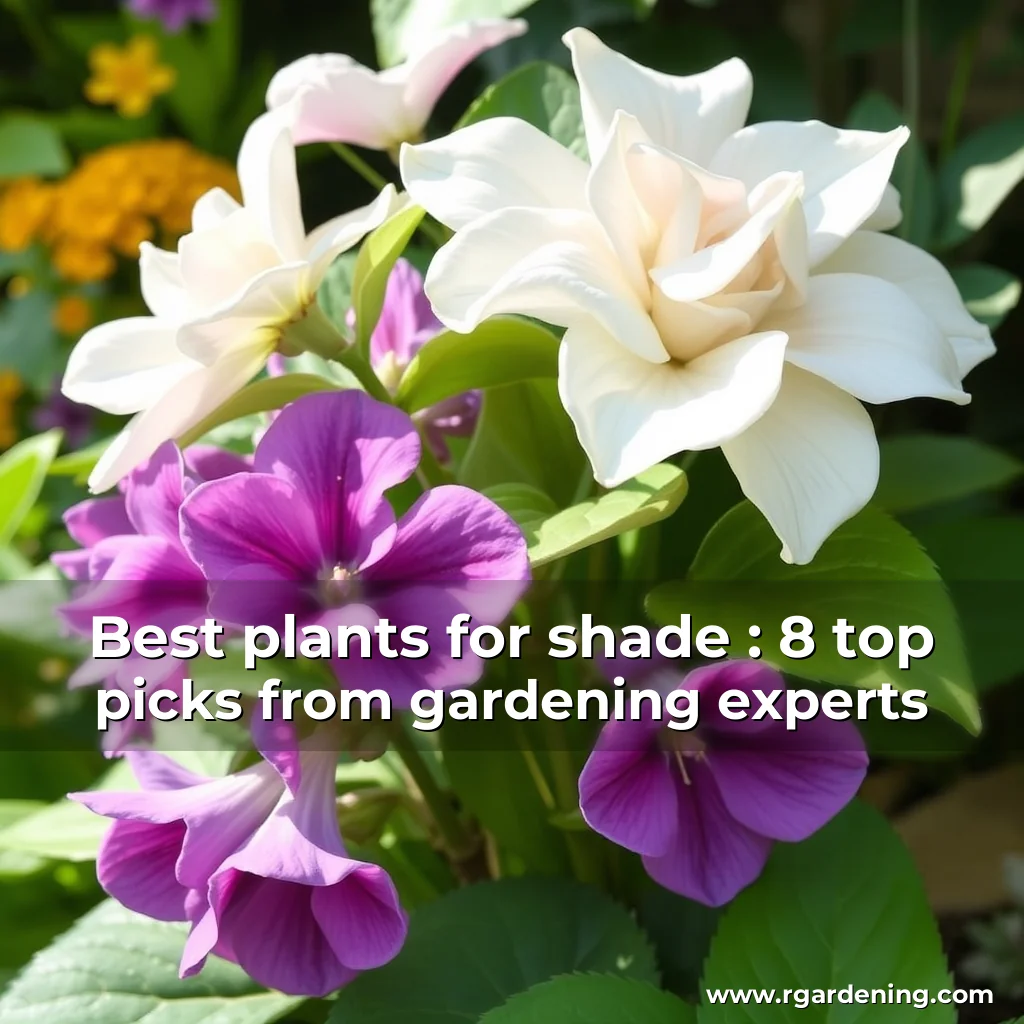
.
Choosing the Right Plants
When it comes to creating a beautiful shade garden, selecting the right plants is crucial. Gardening experts recommend considering the following factors when choosing plants for shade:
8 Essential Plants for Shade
Here are eight essential plants for shade gardening, recommended by gardening experts:
1. Hostas
Hostas are popular shade plants known for their beautiful foliage and vibrant flowers. They come in a range of sizes and colors, making them a versatile choice for shade gardens. • Growing tips: Plant hostas in well-draining soil and provide partial shade.
Shade-Loving Plants for a Beautiful Garden
Shade-loving plants are a great choice for gardeners who want to add some color and vibrancy to their garden, even in the shadiest of spots.
Preparing the Soil
To create a thriving environment for your camellias, it’s essential to prepare the soil properly. Camellias require acidic soil, which can be challenging to achieve, especially in regions with alkaline soil. To overcome this, you can use ericaceous compost to surround the roots of your camellias. • Ericaceous compost is specifically designed to provide the necessary acidity for plants like camellias. • It’s made from peat moss, which is a natural source of acidity.
Characteristics of Pachyphragma Macrophyllum
Pachyphragma macrophyllum is a type of flowering plant that is known for its unique characteristics. It is a perennial plant that grows up to 1 meter in height and has a spread of around 1 meter. The plant has a thick, fleshy stem that is covered in small, rounded leaves. • The leaves of Pachyphragma macrophyllum are small and rounded, measuring around 2-3 cm in diameter.
Easy-Care Plants for Beginner Gardeners
Characteristics of Easy-Care Plants
Easy-care plants are perfect for those who want to enjoy the benefits of gardening without the hassle. They are low-maintenance, adaptable, and forgiving, making them ideal for beginners. These plants are often more resilient to pests and diseases, reducing the need for frequent pruning or treatment. • They require less watering and fertilization*
Benefits of Easy-Care Plants
Easy-care plants offer numerous benefits for gardeners of all levels.
Types of Epimedium
Epimediums are a diverse group of flowering plants that can be found in a variety of colors and shapes. They are often used in floral arrangements and bouquets due to their unique and delicate appearance. • Some popular varieties of Epimedium include:
Characteristics of Epimedium
Epimediums are known for their unique characteristics, which make them a popular choice for floral arrangements. Some of the key characteristics of Epimediums include:
Growing Conditions
Epimediums are relatively easy to grow and can thrive in a variety of conditions. However, they do have some specific requirements that should be met in order to ensure their health and longevity. • Shade: Epimediums prefer shade, especially in warmer climates. They can tolerate some direct sunlight, but too much can cause them to become scorched. • Moisture: Epimediums prefer moist to dry soil, but can tolerate some drought. However, they will perform best in areas with consistent moisture.
Ground Cover Options
Epimediums, lesser periwinkles, and other plants can be used to create a beautiful and low-maintenance ground cover. These plants are ideal for areas with poor soil quality, as they can thrive in a variety of conditions.
Choosing the Right Plants
When selecting ground cover plants, consider the following factors:
Planting and Maintenance
To create a successful ground cover, follow these steps:
Additional Tips
Epimediums, lesser periwinkles, and other ground cover plants can add beauty and functionality to any outdoor space.
Planting Under Shrubs and Trees
Vinca minors, also known as periwinkle, is a low-maintenance, evergreen groundcover that can thrive in a variety of conditions. When planted under shrubs and trees, it creates a beautiful, dense mat that helps to suppress weeds and retain moisture in the soil.
Pruning Japanese Anemones
Japanese anemones are a popular choice for gardeners due to their delicate beauty and low maintenance requirements. However, they do require some care to keep them looking their best.
Sensory Garden Essentials
Sesleria autumnalis, also known as Autumn Gold, is a versatile and attractive plant that can add a touch of warmth and coziness to any garden. Its delicate, golden-yellow foliage provides a striking contrast to the surrounding foliage, making it an excellent choice for adding visual interest to your garden.
Growing Conditions
Sesleria autumnalis prefers well-drained soil and full sun to partial shade.
Choosing the Right Shade Plants
When it comes to selecting shade plants, it’s essential to consider the specific conditions of your garden. Perch Hill’s Sarah Raven recommends choosing plants that thrive in partial shade to full shade, depending on the amount of sunlight your garden receives.
Considerations for Shade Plant Selection
When selecting shade plants, it’s crucial to consider the following factors:

news is a contributor at RGardening. We are committed to providing well-researched, accurate, and valuable content to our readers.