Harvesting Success: Mastering Raised Bed Gardening Techniques for Bountiful Yields
Raised bed gardening has transformed the way modern gardeners approach cultivating fresh produce, offering unparalleled control over growing conditions. By elevating soil levels above ground level, this method addresses many traditional horticultural challenges—from poor drainage to limited mobility. Whether you’re a novice looking to grow your first vegetables or an experienced gardener seeking efficiency, raised beds provide a structured yet flexible solution.
The appeal lies not only in aesthetics but also in functionality. With careful planning, raised beds enable year-round productivity, reduce weed competition, and minimize soil compaction. This article explores everything from foundational principles to advanced techniques, empowering you to create thriving edible landscapes tailored to your lifestyle and environment.
Understanding the Foundations of Raised Beds
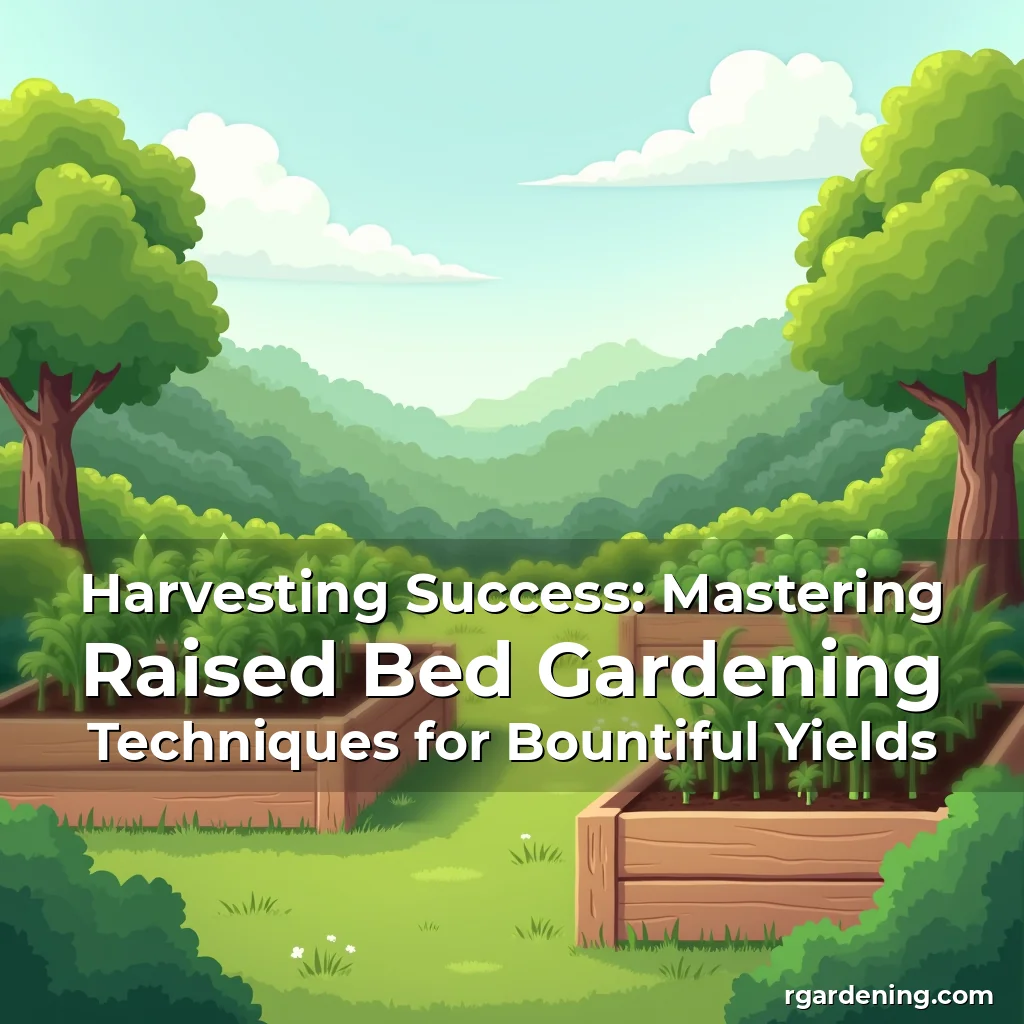
A raised bed is essentially a framed enclosure filled with high-quality soil, designed to elevate plant roots above natural ground level. Unlike conventional in-ground plots, these structures offer complete autonomy over soil composition, moisture retention, and temperature regulation. Their popularity stems from their adaptability across diverse climates and terrains.
The primary advantage of raised beds is enhanced drainage. Traditional lawns often retain excess moisture, leading to root rot and fungal diseases. In contrast, elevated beds promote rapid water runoff, preventing stagnation while allowing roots access to oxygen-rich environments. This feature alone reduces the risk of plant failure by up to 60% compared to standard garden beds.
- Improved Drainage: Properly constructed beds prevent waterlogging, ensuring optimal root health and reducing the likelihood of soil-borne pathogens.
- Pest Control Simplification: Elevated surfaces make it harder for slugs, snails, and burrowing insects to reach plants, minimizing chemical dependency.
Beyond structural benefits, raised beds foster healthier microbial activity in the soil. When combined with regular additions of compost and aged manure, they create a living ecosystem rich in beneficial bacteria and fungi. This biological diversity enhances nutrient cycling and boosts plant resilience against environmental stressors.
Accessibility plays a critical role in design decisions. For individuals with physical limitations, waist-high beds eliminate the need for bending or kneeling, making gardening more inclusive. Adjustable height options further customize ergonomics, ensuring comfort during extended periods of work.
Selecting Materials for Your Raised Garden
The choice of construction material profoundly impacts both durability and ecological footprint. Untreated cedar lumber remains a top contender due to its natural resistance to decay and insects. However, pressure-treated wood contains chemicals that may leach into soil over time, potentially affecting plant safety and longevity.
Recycled materials offer sustainable alternatives worth considering. Repurposed railroad ties, though aesthetically pleasing, contain creosote—a toxic preservative unsuitable for food production. Concrete blocks or cinderblocks present sturdy, low-maintenance solutions, particularly in regions prone to heavy rainfall or frost heaving.
Eco-Friendly Options for Modern Gardens
Stone retaining walls or brick edging transform functional structures into landscape features. Natural stone blends seamlessly with outdoor environments, adding visual interest without compromising utility. Composite decking boards made from recycled plastics combine strength with weather resistance, requiring minimal upkeep.
Innovative growers experiment with fabric-based systems like GeoTubes™, which use woven polypropylene to hold fill material securely. While lightweight and portable, these require periodic reinforcement to prevent sagging under saturated soil conditions. Always prioritize non-toxic sealants or linings if opting for plastic components.
Site Selection Strategies for Optimal Growth
Location determines the viability of any raised bed project. Full-sun exposure is essential for most vegetable varieties, typically requiring at least six hours of direct sunlight daily. Position beds away from shaded areas caused by trees or buildings, which can limit photosynthesis and stunt development.
Proximity to water sources simplifies irrigation management. Placing beds near hose outlets or drip system connections ensures consistent hydration without excessive travel. Consider installing rain barrels to capture stormwater, promoting self-sufficiency and reducing municipal water consumption.
Wind protection deserves attention in exposed locations. Tall fences or strategically placed shrubs act as natural buffers, shielding delicate plants from damaging gusts. Windbreaks also help regulate microclimates, extending growing seasons in cooler regions.
When working with uneven terrain, utilize leveling tools to ensure even distribution of resources. Uneven surfaces cause inconsistent moisture patterns, leading to patchy growth and resource wastage. A slight slope (about ½ inch per foot) aids drainage while maintaining stability.
Design Principles for Functional Layouts
Bed dimensions influence both ease of maintenance and harvest potential. Standard widths range between 3–4 feet, accommodating comfortable reaching without straining arms. Lengths vary according to available space, with modular designs enabling easy expansion as skill improves.
Pathways separating beds enhance maneuverability. A minimum clearance of 24 inches allows wheelchair access or facilitates turning around bulky equipment. Incorporate gravel or stepping stones for pathways to deter weeds while improving drainage characteristics.
Crop compatibility dictates spatial arrangements. Group compatible species together—for instance, pairing basil with tomatoes creates symbiotic relationships through scent masking and shared nutrients. Conversely, avoid placing aggressive spreaders like squash near compact plants that compete for light.
Vertical integration maximizes small spaces. Trellises supporting climbing beans or cucumbers free up horizontal real estate, while hanging baskets accommodate trailing herbs. Utilizing tiered platforms increases depth capacity without expanding floor coverage excessively.
Nutrient Management Through Soil Preparation
Healthy soil forms the backbone of productive raised beds. Begin by testing pH levels, aiming for slightly acidic ranges (6.0–7.0) suitable for most cultivated crops. Adjustments involve incorporating lime to raise values or sulfur to lower them gradually over several months.
Amending base soil with organic matter enriches structure and fertility. Mix equal parts compost, peat moss, and perlite for ideal texture balance. This combination retains moisture while facilitating air exchange crucial for root respiration processes.
Fertilizer application requires precision. Slow-release granules supply steady nourishment throughout the season, whereas liquid feeds provide targeted boosts during peak growth phases. Rotate formulations based on specific crop demands—nitrogen-heavy mixes for leafy greens versus phosphorus-focused blends for fruit-bearing plants.
Regular top dressing maintains nutrient density. Apply a thin layer of compost every few weeks to replenish minerals depleted through harvesting activities. Avoid over-fertilization, which risks burning sensitive roots or encouraging unwanted foliage growth at expense of actual yields.
Maintaining Consistent Moisture Levels
Irrigation scheduling depends heavily on local climate conditions. Sandy soils drain rapidly, necessitating frequent checks, whereas clay-rich substrates hold moisture longer. Install soaker hoses beneath mulch layers to deliver deep penetration efficiently without wetting foliage unnecessarily.
Water conservation techniques align with eco-conscious goals. Drip irrigation systems achieve precise delivery rates, cutting waste by up to 50% compared to overhead sprinklers. Collect condensation from cold frames or greenhouses to recycle unused resources back into the system periodically.
Monitoring soil dryness involves simple tactile tests. Insert fingers about 2–3 inches below surface; if feeling cool and damp, delay watering until conditions change. Morning applications early enough allow evaporation before temperatures rise sharply midday.
Mulching serves dual purposes—retaining humidity and suppressing weeds. Organic coverings like straw or shredded leaves decompose slowly, feeding microbes while insulating against extreme temperature fluctuations. Maintain thickness between 2–4 inches for best results without smothering emerging seedlings.
Troubleshooting Common Growing Challenges
Despite meticulous planning, occasional setbacks occur. Identify symptoms promptly to mitigate damage—yellowing leaves indicate nitrogen deficiency, while wilted stalks signal improper drainage. Keep records tracking changes alongside environmental variables for pattern recognition opportunities.
Pest identification relies on observation skills. Aphid colonies appear clustered on undersides of leaves, while Japanese beetles skeletonize foliage. Encourage natural predators like ladybugs or lacewings by planting flowering borders nearby to establish balanced predator-prey dynamics organically.
Disease prevention centers on cultural practices rather than reactive treatments. Remove infected plant debris promptly to interrupt life cycles. Practice crop rotation annually to disrupt pathogen buildup associated with continuous monoculture planting habits.
Weed suppression combines mechanical removal with preventive measures. Hand-pulling young volunteers keeps populations manageable, while applying pre-emergent herbicides selectively avoids harming desired vegetation. Regular mowing of surrounding grasses reduces seed dispersal toward garden zones.
Seasonal Planning for Year-Round Productivity
Maximize calendar availability by understanding regional hardiness zones. Cool-season crops thrive in spring/autumn, while warm-loving species demand summer heat. Plant successive waves spaced appropriately to sustain output continuously throughout active growing periods.
Winter preparations begin with fall cleanups removing spent plants before decomposition occurs. Insulate dormant beds with thick mulches protecting roots from freezing temperatures. Cover crops like clover or rye planted in late autumn serve as green manures, fixing atmospheric nitrogen for subsequent seasons’ benefit.
Spring readiness involves inspecting hardware integrity after winter exposure. Check for termite damage in wooden frames or cracks forming in cement foundations. Replenish eroded soil layers with additional compost mixtures restoring lost volume prior to replanting sessions commencing.
Summer maintenance focuses on vigilance against drought stress. Increase watering frequencies during prolonged heatwaves, prioritizing thirsty plants needing extra attention. Prune leggy specimens encouraging bushier growth patterns yielding higher quantities of usable fruits/vegetables.
Community Engagement & Knowledge Sharing
Gardening thrives through collective learning experiences. Join local clubs or online forums exchanging successes/failures openly. Participate in workshops teaching new propagation techniques or pest management approaches continually evolving within horticultural science fields.
Sharing surplus harvests fosters neighborhood bonds while reducing food waste. Organize swap meets featuring heirloom seeds or specialty cultivars rarely found commercially. Teach children basic planting skills instilling lifelong appreciation for nature’s cycles through hands-on participation.
Document progress visually via photography journals capturing transformations occurring week-by-week. Analyze growth timelines comparing different methodologies applied simultaneously across test plots. Such data informs refined strategies benefiting future endeavors exponentially beyond initial implementations.
Volunteer at botanical gardens or school programs spreading awareness about sustainable agriculture practices. Demonstrate DIY building tutorials showing budget-friendly assembly methods anyone can replicate independently. Empower others embracing self-reliance through accessible information sharing freely without restrictions.
Conclusion
Raised bed gardening represents more than just a technique—it embodies a philosophy centered on harmony between human innovation and natural processes. From selecting right materials to mastering irrigation rhythms, every decision contributes toward achieving flourishing edible landscapes uniquely suited to personal preferences.
By implementing these strategies systematically, you unlock remarkable possibilities transforming ordinary yards into vibrant sanctuaries teeming with life. Remember, mastery comes through practice; embrace experimentation boldly knowing setbacks merely refine expertise rather than diminish capabilities inherently possessed by all aspiring cultivators worldwide today!

news is a contributor at RGardening. We are committed to providing well-researched, accurate, and valuable content to our readers.