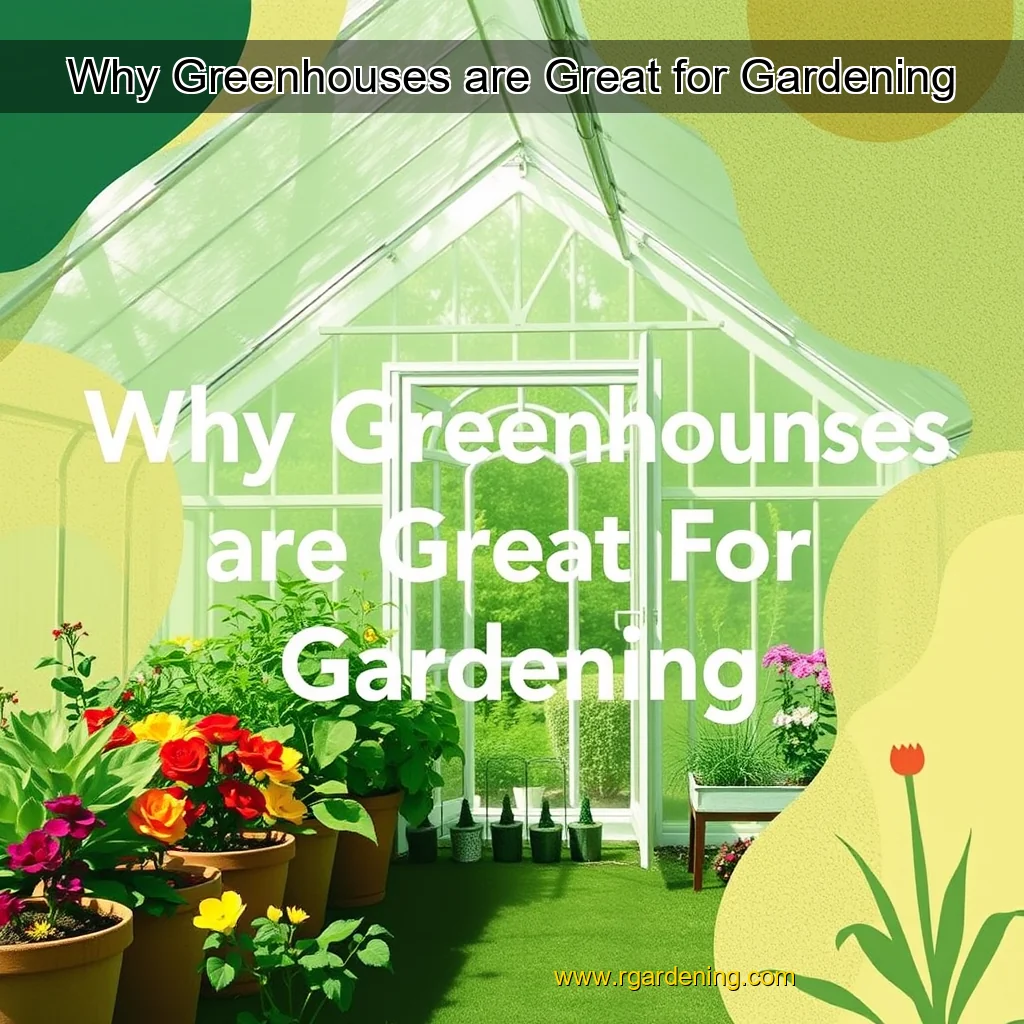
This flexibility allows gardeners to cultivate a wide range of plants, from delicate orchids to robust vegetables, in a single greenhouse.
Benefits of Greenhouses
Greenhouses provide numerous benefits for gardeners, including:
Improved crop yields: By controlling temperature, humidity, and light levels, gardeners can optimize plant growth and increase crop yields. Extended growing seasons: Greenhouses enable gardeners to grow plants year-round, regardless of the outside weather conditions. Increased plant diversity: The controlled environment of a greenhouse allows gardeners to cultivate a wide range of plants that may not thrive in outdoor conditions. Pest and disease control: Greenhouses provide a sealed environment that protects plants from pests and diseases, reducing the need for pesticides and fungicides. ## Types of Greenhouses
Types of Greenhouses
There are several types of greenhouses, each with its unique characteristics and benefits:
Cold Frame Greenhouse: A cold frame greenhouse is a simple, unheated structure that provides protection from frost and cold temperatures. It is ideal for starting seeds, growing cool-season crops, and extending the growing season. Hoophouse Greenhouse: A hoophouse greenhouse is a type of greenhouse that uses a tunnel-like structure to provide protection from wind and frost. It is often used for growing vegetables, fruits, and flowers. Glass Greenhouse: A glass greenhouse is a traditional type of greenhouse that uses glass panels to provide natural light and ventilation. It is ideal for growing a wide range of plants, from delicate orchids to robust vegetables.
Benefits of Greenhouses for Gardeners
Greenhouses provide numerous benefits for gardeners, including:
Increased crop yields
Extended growing seasons
Improved plant health
Enhanced biodiversity
Increased food security
How Greenhouses Work
Greenhouses are essentially enclosed structures that use transparent or translucent materials to allow sunlight to enter. The primary function of a greenhouse is to trap heat and maintain a stable temperature, which is essential for plant growth. This is achieved through various techniques, including:
Insulation: Greenhouses are typically well-insulated to prevent heat loss and maintain a consistent temperature. Heating: Some greenhouses use heating systems, such as electric heaters or propane heaters, to supplement natural sunlight and maintain a desired temperature.
For example, a section for tropical plants might be kept at a warmer temperature, while a section for seedlings might be kept at a cooler temperature.
The Benefits of Greenhouses
A Haven for Plants and Gardeners Alike
Greenhouses offer a unique environment that caters to the specific needs of plants, allowing them to thrive in a controlled setting. This controlled environment provides numerous benefits for both plants and gardeners.
Advantages for Plants
Optimal Temperature and Humidity: Greenhouses can maintain a consistent temperature and humidity level, which is ideal for plants that require specific conditions to grow. Protection from Pests and Diseases: The enclosed space of a greenhouse protects plants from pests and diseases that can damage or destroy them. Increased Yield: By providing optimal growing conditions, greenhouses can increase crop yields and improve plant health. #### Advantages for Gardeners**
Advantages for Gardeners
Year-Round Growing: Greenhouses allow gardeners to grow plants year-round, regardless of the outside weather conditions.
This is particularly important for plants that are susceptible to pests or diseases, such as tomatoes and cucumbers.
Benefits of Greenhouse Gardening
Creating a Controlled Environment
Greenhouses provide a controlled environment that allows gardeners to regulate temperature, humidity, and light levels. This enables gardeners to create optimal growing conditions for their plants.
Benefits of Greenhouses for Serious Gardeners
Investing in a greenhouse can be a wise decision for serious gardeners, offering numerous benefits that extend beyond the initial purchase price. Some of the key advantages of greenhouses include:
Year-round growing: Greenhouses allow gardeners to grow plants 365 days a year, regardless of the weather outside. This means that gardeners can enjoy a continuous harvest of fresh produce, even in the dead of winter. Climate control: Greenhouses provide a controlled environment, allowing gardeners to regulate temperature, humidity, and light levels. This enables gardeners to grow a wide range of plants, from delicate seedlings to robust vegetables. Pest and disease control: Greenhouses offer a secure environment, protecting plants from pests and diseases that can damage crops outside. This reduces the need for pesticides and other chemicals, making greenhouses a more sustainable option. Increased yields: Greenhouses can increase crop yields by providing optimal growing conditions. This means that gardeners can enjoy a bountiful harvest, even with limited space. Improved plant health: Greenhouses offer a healthy environment, reducing the risk of plant disease and promoting healthy growth.
Here are some key points to consider when selecting a greenhouse:
Choosing the Right Greenhouse for Beginners
When selecting a greenhouse, there are several factors to consider. Here are some key points to keep in mind:
Size: Consider the space available in your yard and the type of plants you want to grow. A smaller greenhouse can be a good starting point, but it may limit the types of plants you can grow. Style: Choose a greenhouse that fits your style and budget. There are many different styles available, including hoop houses, gable greenhouses, and mini greenhouses.
A well-designed greenhouse can provide a controlled environment that fosters healthy plant growth, protects against pests and diseases, and increases crop yields. In this article, we will explore the benefits of using greenhouses and provide guidance on how to choose the right greenhouse for your needs.
Benefits of Greenhouses
Greenhouses offer numerous benefits for gardeners, including:
Improved crop yields: Greenhouses provide a controlled environment that allows for optimal growing conditions, resulting in higher yields and better quality crops. Reduced pest and disease pressure: The controlled environment of a greenhouse reduces the risk of pests and diseases, allowing gardeners to focus on growing healthy plants. Extended growing season: Greenhouses can extend the growing season, allowing gardeners to grow crops year-round and take advantage of the best weather conditions.
news
news is a contributor at RGardening. We are committed to providing well-researched, accurate, and valuable content to our readers.