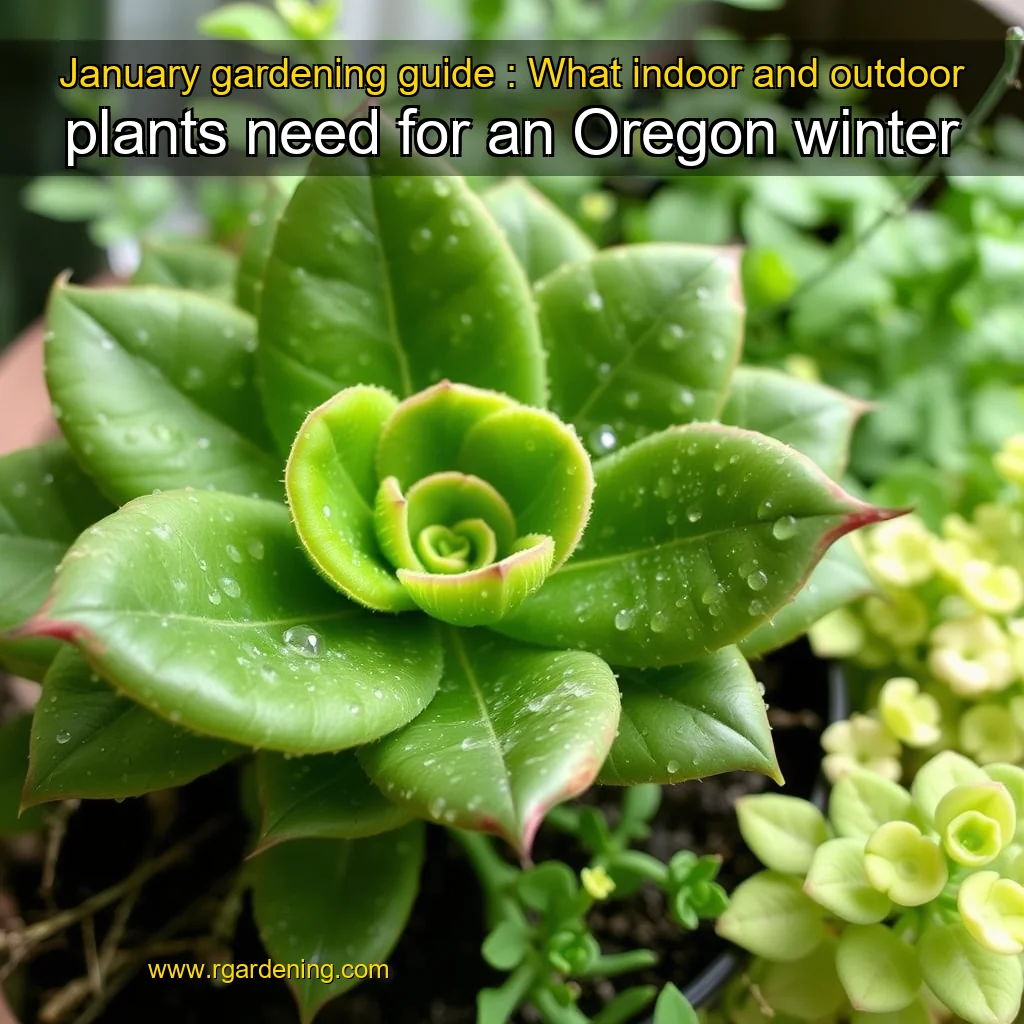
Take hardwood cuttings of evergreen shrubs and trees for propagation. Take cuttings from the current season’s growth for propagation of perennials. Take cuttings from the tips of stems for propagation of grasses and sedges.
Preventive Pest Management for Ornamental Plants
Understanding the Importance of Preventive Pest Management
Preventive pest management is a crucial aspect of maintaining healthy and thriving ornamental plants. Unlike reactive pest control, which involves treating pests after they have infested a plant, preventive pest management focuses on identifying and addressing potential pest issues before they become a problem. By adopting a proactive approach, gardeners and horticulturists can reduce the risk of pest infestations, minimize damage, and promote overall plant health.
Identifying Susceptible Plant Varieties
Not all ornamental plants are created equal when it comes to pest susceptibility.
Understanding Your Garden’s Needs
Before starting your garden, it’s essential to understand the specific needs of your garden. This includes knowing the type of soil you have, the amount of sunlight your garden receives, and the local climate.
Preparing for the Growing Season
As the last wisps of winter’s chill dissipate, gardeners eagerly anticipate the arrival of spring. The season’s promise of renewal and growth is a welcome respite from the cold, dark months that have passed. However, before the first tender shoots of green emerge, it’s essential to prepare the garden for the growing season.
Assessing Winter Damage
- Broken or uprooted plants
- Damaged or destroyed mulch
- Dislodged or washed away soil
Cleaning and Disinfecting
Reapplying Mulch and Redistributing
Managing pests and diseases is crucial for maintaining a healthy garden.
Use dormant sprays of lime sulfur or copper fungicide on fruit trees for general disease control.
Understanding the Importance of Pest and Disease Management
Pest and disease management is a crucial aspect of maintaining a healthy and thriving garden. Without proper management, pests and diseases can quickly spread, causing significant damage to plants and reducing yields. In this article, we will explore the importance of pest and disease management, discuss common pests and diseases, and provide practical tips for controlling them.
Common Pests and Diseases
Some common pests and diseases that gardeners face include:
The Role of Weeds in Pest and Disease Management
Weeds can play a significant role in pest and disease management.
Maintain a stable environment for optimal plant growth.
Monitor temperature and humidity levels to ensure optimal conditions for plant growth. Consider using a humidifier or dehumidifier to maintain a stable environment. Keep plants away from direct sunlight and heat sources. Prune and train plants to maintain their shape and promote healthy growth. Consider using a trellis or stake to support climbing plants. Inspect plants regularly for signs of pests or diseases. Consider using organic pest control methods whenever possible. Keep plants away from pets and children to prevent accidental damage or ingestion.
Houseplant Care: A Comprehensive Guide
Understanding Your Houseplants
Houseplants are a wonderful addition to any home, providing a touch of nature and a sense of well-being. However, they require regular care and attention to thrive. In this article, we will delve into the world of houseplant care, covering essential tips and tricks to keep your plants happy and healthy.
Watering and Fertilizing
Proper watering and fertilizing are crucial for the health and growth of your houseplants.
— OSU Extension Service

news is a contributor at RGardening. We are committed to providing well-researched, accurate, and valuable content to our readers.